The pace of technological and social change in the twenty-first century has fundamentally reshaped the landscape of education. Innovations in technology, communication, and knowledge generation have transformed how learning occurs, what skills are valued, and how educators approach teaching. Traditional models of education, with rigid curricula, fixed schedules, and hierarchical classroom structures, are increasingly insufficient for preparing students to navigate a rapidly evolving world. Education in the age of rapid innovation requires flexibility, adaptability, and a focus on cultivating lifelong learning habits. It must prepare learners not only to acquire knowledge but to apply it creatively, collaborate effectively, and respond to unpredictable challenges.
At the heart of this transformation is the recognition that knowledge itself is evolving at an unprecedented rate. Fields such as artificial intelligence, biotechnology, renewable energy, and digital communication generate new discoveries, methodologies, and practices continuously. What is considered cutting-edge knowledge today may become outdated within a few years. Consequently, education must focus less on the memorization of static information and more on cultivating critical thinking, problem-solving, and adaptive learning strategies. Students must learn to navigate uncertainty, evaluate emerging information, and apply knowledge in diverse contexts.
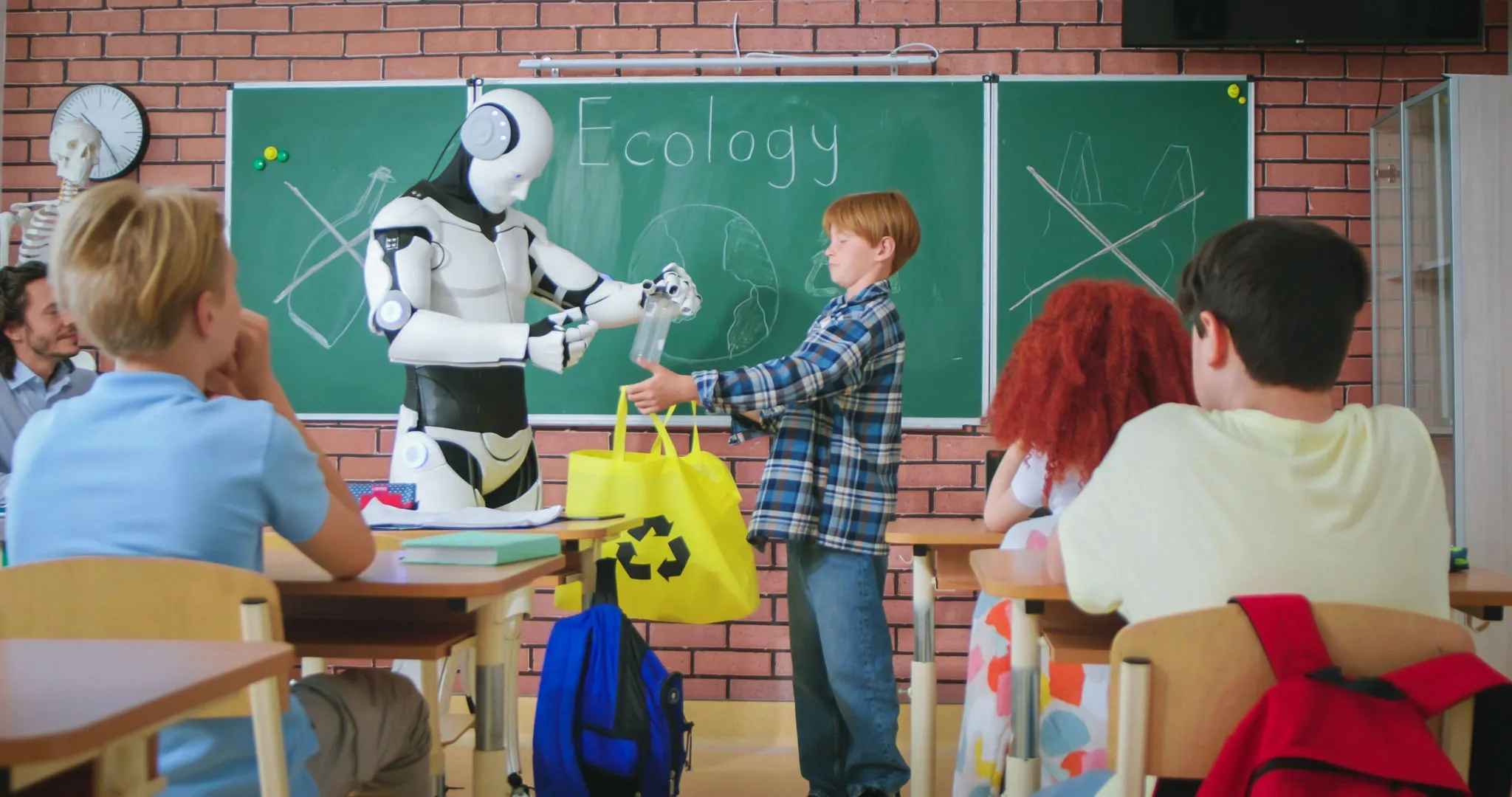
Technology plays a central role in facilitating education in this era. Digital platforms, virtual classrooms, and interactive tools provide access to a wealth of information and learning experiences previously unimaginable. Online courses and Massive Open Online Courses (MOOCs) allow students to engage with leading experts across the globe. Artificial intelligence enables personalized learning, adapting content to the pace, style, and preferences of individual learners. Augmented reality and virtual simulations allow experiential learning in virtual environments, giving students opportunities to practice skills in safe yet realistic scenarios. These innovations enhance engagement, foster curiosity, and extend learning beyond the constraints of physical classrooms.
The integration of technology, however, is not merely about digitizing traditional methods. It reshapes the role of educators, the structure of curricula, and the nature of student engagement. Teachers are transitioning from authoritative sources of knowledge to facilitators, mentors, and guides who help learners navigate complex information landscapes. Rather than delivering content alone, educators cultivate inquiry, foster collaboration, and encourage critical reflection. Learning becomes an interactive and participatory process, where students take active responsibility for their intellectual growth.
Curriculum design in the age of rapid innovation emphasizes interdisciplinarity and flexibility. Modern challenges rarely fit neatly into single disciplines. Climate change, global health, artificial intelligence ethics, and sustainable development intersect across science, technology, humanities, and social systems. Educational programs must encourage integrative thinking, enabling students to approach problems from multiple perspectives. Interdisciplinary projects, collaborative research initiatives, and real-world problem-solving exercises equip learners with the ability to synthesize knowledge across domains and apply it creatively.
Equally important is the cultivation of soft skills. Innovation demands more than technical proficiency; it requires adaptability, creativity, resilience, and effective communication. Collaboration and leadership skills become essential, as individuals work in diverse teams to address complex challenges. Emotional intelligence, ethical reasoning, and cultural awareness are crucial for navigating interconnected global environments. Education systems must therefore balance technical instruction with the development of these human-centered competencies, preparing students to contribute meaningfully in professional, civic, and personal contexts.
Lifelong learning is central to education in rapidly evolving contexts. Unlike traditional models that treated learning as a finite phase of life, modern education recognizes that individuals must continually acquire, refine, and update skills throughout their careers. Online resources, professional development programs, and micro-credentials provide avenues for ongoing learning, allowing individuals to adapt to new technologies, methodologies, and professional demands. Institutions increasingly encourage learners to take ownership of their growth, fostering curiosity and self-directed learning habits that extend far beyond formal schooling.
Globalization amplifies the importance of innovative education. Students are not only competing and collaborating within local contexts but within global knowledge networks. Cross-cultural competence, multilingual communication, and understanding diverse societal frameworks are essential for success. Education systems are integrating global perspectives into curricula, enabling students to learn from international examples, participate in collaborative projects across borders, and engage with emerging global issues. This global dimension ensures learners are prepared to operate effectively in interconnected, knowledge-driven societies.
Equity and access remain critical considerations in this new educational paradigm. While technology expands opportunities, disparities in infrastructure, connectivity, and resource availability can exacerbate existing inequalities. Institutions must ensure that innovations in education do not create further divides but are accessible to all learners. Policies and practices that prioritize inclusivity, affordability, and support mechanisms are essential to ensure that the benefits of rapid innovation are widely shared.
Assessment strategies are evolving alongside educational practices. Standardized tests and memorization-based evaluation are increasingly insufficient to capture the breadth of skills required in innovative contexts. Portfolio assessments, project outcomes, peer evaluations, and reflective exercises provide more holistic measures of learning. These approaches emphasize process, creativity, application, and collaboration, aligning assessment with the skills necessary for success in dynamic, knowledge-driven environments.
The ethical dimension of education in the age of rapid innovation is paramount. Technology offers powerful tools, but its use must be guided by ethical principles. Issues such as data privacy, algorithmic bias, and the societal impact of emerging technologies must be addressed within educational contexts. Students should be equipped not only with technical and cognitive skills but with ethical literacy, enabling them to navigate complex moral landscapes and make informed, responsible decisions.
Community engagement and experiential learning further enhance education in this era. Opportunities to work on real-world challenges, participate in civic projects, and engage with local and global communities provide context for theoretical knowledge. Students develop practical skills, social responsibility, and a sense of agency, understanding that education extends beyond academic achievement to meaningful societal contribution.
Innovation in education also requires flexibility in institutional structures. Traditional rigid hierarchies, fixed schedules, and standardized curricula must evolve to accommodate diverse learning pathways, personalized instruction, and interdisciplinary approaches. Hybrid learning models, combining online and in-person instruction, offer adaptability and scalability. Institutions that embrace experimentation, iterative improvement, and responsiveness to societal needs create environments where innovation in learning can thrive.
Teacher preparation and professional development are central to implementing effective innovative education. Educators must be equipped to leverage technology, facilitate inquiry-based learning, support interdisciplinary projects, and cultivate social-emotional competencies. Continuous training and professional learning communities help educators remain current with evolving pedagogical methods and emerging technologies. Teachers become co-learners alongside students, fostering a culture of adaptability, curiosity, and lifelong learning.
The workplace and higher education landscapes are increasingly intertwined with rapid innovation. Employers seek graduates who can think critically, adapt to new tools, collaborate across disciplines, and apply knowledge effectively. Traditional degree programs alone may not suffice; experiential learning, internships, research projects, and skill-based credentials are integral to preparing students for professional success. Education becomes a bridge between intellectual development and practical application, equipping learners to contribute meaningfully in professional contexts.
Finally, education in the age of rapid innovation is inherently future-oriented. It prepares students to navigate uncertainty, anticipate change, and create solutions for challenges that may not yet exist. The focus shifts from teaching fixed knowledge to cultivating adaptable, reflective, and proactive learners. By fostering curiosity, resilience, creativity, and collaboration, education empowers individuals to thrive in a complex, interconnected, and ever-evolving world
Leave a Reply