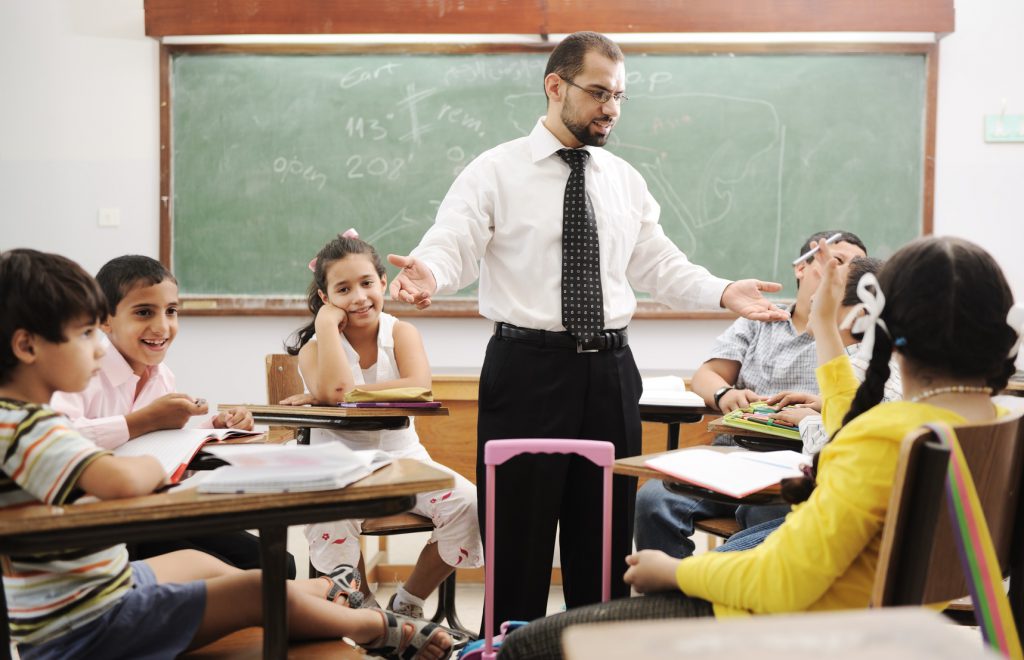
The landscape of education has undergone a profound transformation in recent decades. Traditional methods that once dominated classrooms are no longer sufficient to meet the evolving needs of learners in the twenty-first century. Today’s students face a world characterized by rapid technological change, global interconnectivity, and complex problem-solving demands. In response, educators have developed and adopted modern teaching methods designed to cultivate critical thinking, creativity, collaboration, and lifelong learning skills. Understanding these methods is essential for teachers, administrators, and policymakers seeking to create learning environments that are effective, engaging, and adaptable.
Understanding Modern Teaching Methods
Modern teaching methods encompass a range of pedagogical strategies that prioritize student engagement, active learning, and personalized instruction. Unlike conventional approaches that rely heavily on rote memorization and passive absorption of information, these methods focus on interaction, inquiry, and application. At their core, modern teaching strategies recognize that students are active participants in their own learning, capable of constructing knowledge through experience, reflection, and collaboration.
These approaches are informed by contemporary research in cognitive psychology, educational technology, and pedagogy. They acknowledge that learning is not a uniform process; different students have distinct needs, preferences, and learning styles. Modern methods aim to accommodate this diversity, creating flexible environments that encourage exploration, problem-solving, and self-directed learning.
Student-Centered Learning
One of the defining features of modern pedagogy is student-centered learning. In this approach, the teacher shifts from being the sole source of knowledge to a facilitator who guides and supports learners in their exploration of concepts. The focus moves from teaching to learning, emphasizing the needs, interests, and abilities of each student.
Student-centered learning encourages autonomy, allowing learners to take ownership of their educational journey. Strategies such as project-based learning, inquiry-based learning, and flipped classrooms enable students to investigate real-world problems, collaborate with peers, and apply knowledge in meaningful ways. This method not only enhances engagement but also develops critical skills such as communication, problem-solving, and adaptability.
Inquiry-Based Learning
Inquiry-based learning emphasizes curiosity and questioning as the starting point of education. Rather than presenting information in a linear fashion, teachers encourage students to pose questions, explore multiple sources, and develop evidence-based conclusions. This approach fosters a deeper understanding of subject matter, as students actively construct knowledge rather than passively receive it.
Inquiry-based learning also promotes higher-order thinking skills. Students learn to analyze data, synthesize information, and evaluate the credibility of sources. These abilities are crucial in a world where information is abundant, but discernment and critical thinking are essential for success. By engaging in inquiry, learners develop independence, resilience, and confidence in their ability to navigate complex problems.
Project-Based Learning
Project-based learning (PBL) is another cornerstone of modern education. In PBL, students work on extended projects that address real-world challenges, integrating knowledge and skills from multiple disciplines. This approach mirrors authentic work experiences, preparing learners for professional and civic responsibilities.
Projects in PBL are often collaborative, requiring students to communicate, negotiate, and coordinate with peers. Teachers act as mentors and facilitators, providing guidance and feedback rather than dictating solutions. The emphasis on practical application helps students see the relevance of their learning, motivating them to engage deeply and persistently.
Flipped Classroom Model
The flipped classroom model reverses the traditional structure of teaching and homework. Instructional content, such as lectures and readings, is accessed by students outside of class, often through digital platforms. Classroom time is then dedicated to active learning, discussion, problem-solving, and personalized support.
This model allows teachers to focus on higher-order learning activities and individualized guidance. Students benefit from more interactive and hands-on experiences, while also developing time-management and self-directed learning skills. The flipped classroom also creates opportunities for peer-to-peer learning, as students collaborate and teach one another under the teacher’s guidance.
Collaborative Learning
Collaboration is central to modern teaching methods. Collaborative learning strategies emphasize teamwork, dialogue, and shared responsibility for learning outcomes. Through group work, discussions, and peer review, students develop communication, empathy, and conflict-resolution skills.
Collaborative learning also encourages diverse perspectives, as students engage with peers from different backgrounds, experiences, and viewpoints. This exposure fosters critical thinking and problem-solving, as learners must evaluate and integrate various ideas to reach consensus or solutions. In today’s interconnected world, the ability to work effectively in teams is an indispensable skill.
Technology-Enhanced Learning
The integration of technology has revolutionized education, offering new possibilities for instruction, assessment, and engagement. Technology-enhanced learning encompasses tools such as educational software, online resources, virtual classrooms, and interactive simulations. These tools can personalize learning experiences, provide immediate feedback, and create opportunities for experiential learning.
Digital platforms enable teachers to track student progress in real-time, adapt instruction to individual needs, and facilitate collaboration beyond the classroom. Virtual reality, augmented reality, and gamification further enrich learning, making abstract concepts tangible and engaging. While technology is not a substitute for effective pedagogy, it enhances the reach, accessibility, and impact of modern teaching methods.
Formative Assessment and Feedback
Assessment in modern teaching methods goes beyond grading. Formative assessment provides ongoing feedback to students, helping them monitor their progress and adjust their learning strategies. Techniques such as self-assessment, peer review, and interactive quizzes enable learners to reflect on their understanding and identify areas for improvement.
Effective feedback is timely, specific, and actionable. It empowers students to take ownership of their learning and fosters a growth mindset, where mistakes are viewed as opportunities for improvement rather than failures. Incorporating formative assessment into modern pedagogy ensures that learning is adaptive, responsive, and continuous.
Differentiated Instruction
Differentiated instruction recognizes that students have diverse abilities, learning styles, and interests. Modern teaching methods accommodate this diversity by offering multiple pathways to learning. This may include varying content, process, or products according to student needs.
By tailoring instruction to individual learners, differentiated strategies enhance engagement, motivation, and achievement. Teachers may provide additional support for struggling students, offer enrichment activities for advanced learners, or incorporate multiple formats such as visual, auditory, and kinesthetic resources. Differentiated instruction ensures that all students have the opportunity to succeed and reach their potential.
Experiential Learning
Experiential learning emphasizes learning through experience, reflection, and application. Field trips, internships, laboratory experiments, and service-learning projects provide students with hands-on opportunities to apply theoretical knowledge in real-world contexts. This approach deepens understanding, reinforces retention, and develops practical skills.
Experiential learning also cultivates soft skills such as adaptability, problem-solving, and interpersonal communication. By engaging with authentic tasks, students gain a sense of relevance and purpose, which enhances motivation and engagement. Educators facilitate experiential learning by guiding reflection, encouraging analysis, and connecting experiences to broader learning objectives.
Challenges and Considerations
While modern teaching methods offer significant benefits, their implementation is not without challenges. Teachers require professional development, resources, and support to adopt innovative strategies effectively. Class size, curriculum constraints, and standardized testing pressures can also limit the flexibility needed for student-centered approaches.
Moreover, equity and access must be considered. Not all students have equal access to technology, extracurricular opportunities, or supportive learning environments. Successful implementation of modern methods requires careful planning, inclusivity, and ongoing evaluation to ensure that all learners benefit.
The Future of Teaching
The future of education will continue to be shaped by innovation, research, and societal needs. Modern teaching methods are evolving to incorporate interdisciplinary learning, global citizenship education, and sustainable development principles. Educators are increasingly embracing flexible, adaptive, and personalized approaches that prepare learners not only for academic success but also for life in a rapidly changing world.
Ultimately, modern teaching methods prioritize the development of skills, knowledge, and attitudes that enable learners to think critically, act ethically, and engage meaningfully with the world. By embracing these methods, educators empower students to become active participants in their own learning and capable contributors to society.
Conclusion
Modern teaching methods represent a shift from traditional instruction toward learner-centered, interactive, and technology-enhanced approaches. These methods recognize the diverse needs of students, the importance of engagement, and the value of practical application. Through strategies such as inquiry-based learning, project-based learning, flipped classrooms, collaborative learning, and technology integration, educators create environments that foster critical thinking, creativity, and lifelong learning.
The transformation of teaching practices is essential for preparing students to thrive in the twenty-first century. By embracing modern methods, teachers not only enhance learning outcomes but also cultivate the skills, attitudes, and resilience that learners need to navigate a complex and dynamic world. Education becomes not just a transfer of knowledge, but a meaningful journey of discovery, growth, and empowerment.
Leave a Reply