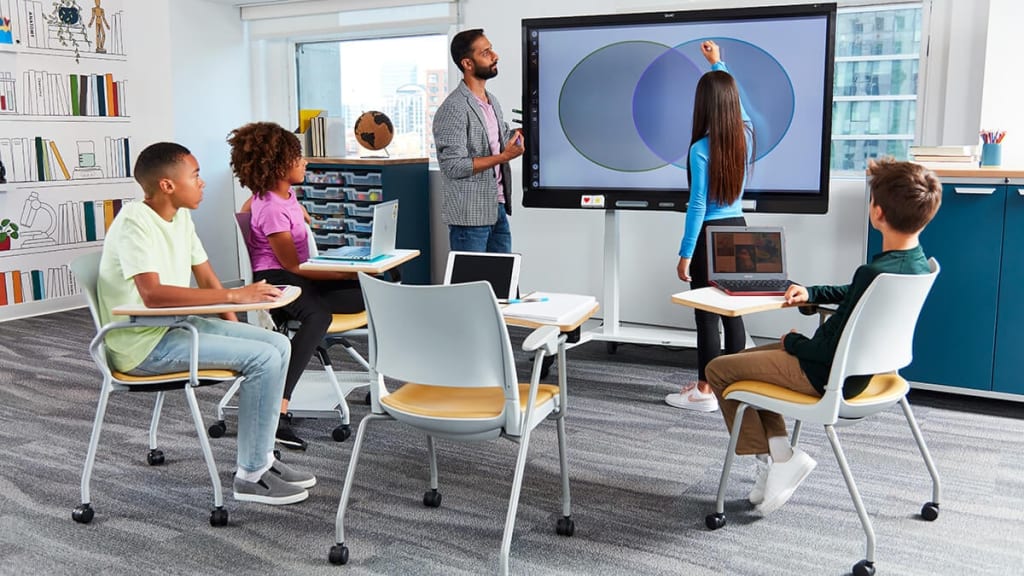
Education has always reflected the tools and technologies available in society. From chalkboards and handwritten notes to computers and digital presentations, each technological shift has reshaped how teachers deliver lessons and how students engage with knowledge. In recent years, the concept of the smart classroom has emerged as one of the most transformative developments in modern education. A smart classroom integrates advanced technologies with traditional teaching methods to create a dynamic, interactive, and highly efficient learning environment.
The idea behind a smart classroom goes beyond simply adding computers or projectors to a room. It represents a comprehensive approach where digital tools, intelligent systems, and connected devices work together to enhance the educational experience. In such an environment, teachers are supported by technology that helps them explain complex concepts more effectively, while students gain access to interactive content that encourages deeper understanding and participation.
Technology-driven education reflects the changing needs of modern learners. Students today grow up surrounded by digital devices, online platforms, and instant access to information. Traditional lecture-based instruction can sometimes struggle to capture their attention or match the pace at which information flows in the digital world. Smart classrooms address this challenge by creating learning spaces that combine technology, collaboration, and creativity.
At the heart of the smart classroom is the use of digital infrastructure that supports interactive teaching. Interactive displays, digital whiteboards, and multimedia presentation systems allow teachers to present lessons in ways that are visually engaging and easy to understand. Instead of relying solely on spoken explanations or printed textbooks, instructors can integrate videos, animations, simulations, and real-time demonstrations into their teaching.
These tools make complex subjects more accessible. For example, a science teacher can demonstrate a chemical reaction through a digital simulation before conducting a real experiment. A geography lesson can include interactive maps and virtual exploration of landscapes around the world. History classes can use multimedia storytelling to recreate significant historical events. Such experiences allow students to connect theoretical knowledge with visual and practical understanding.
Smart classrooms also enable a higher level of student participation. Instead of passively listening to lectures, students can interact with lesson materials using tablets, laptops, or other digital devices. They can answer questions through digital response systems, collaborate on shared documents, and contribute ideas in real time. This level of engagement helps transform the classroom into a space where learning becomes an active and collaborative process.
Collaboration is an important aspect of modern education, and smart classrooms provide tools that encourage teamwork among students. Digital platforms allow groups of learners to work together on projects, share research materials, and communicate effectively even when they are not physically seated next to each other. These collaborative tools mirror the way professionals work in modern workplaces, preparing students for future careers that rely on teamwork and digital communication.
Another key feature of smart classrooms is the integration of cloud-based learning systems. Cloud platforms store educational resources, assignments, and course materials online, allowing students to access them from anywhere with an internet connection. This flexibility ensures that learning is not limited to the physical classroom. Students can review lessons, submit assignments, and participate in discussions even when they are studying from home or traveling.
Cloud-based systems also make it easier for teachers to manage course content and track student progress. Instead of relying on paper records and manual grading processes, educators can use digital tools to organize assignments, evaluate performance, and provide feedback quickly. This streamlined approach saves time and allows teachers to focus more on guiding students and developing meaningful learning experiences.
Artificial intelligence is increasingly becoming part of the smart classroom ecosystem. AI-powered tools can analyze student performance, identify learning patterns, and recommend personalized learning materials. These insights help teachers understand how individual students are progressing and where additional support may be needed. By combining technology with educational expertise, smart classrooms create an environment where each learner can receive more tailored guidance.
Virtual and augmented reality technologies are also beginning to influence the development of smart classrooms. These immersive technologies allow students to explore environments and concepts that would otherwise be impossible to experience directly. A history student can virtually walk through ancient civilizations, while a biology class can explore the structure of the human body in three dimensions. Such immersive experiences deepen understanding and make learning more memorable.
Another important benefit of smart classrooms is the ability to support different learning styles. Students absorb information in different ways. Some learn best through visual demonstrations, others through reading, discussion, or hands-on activities. Technology-driven classrooms allow educators to present information in multiple formats, ensuring that a wider range of learners can connect with the material.
For visual learners, multimedia presentations and diagrams provide clear explanations of complex ideas. For auditory learners, recorded lectures and interactive discussions enhance comprehension. For kinesthetic learners, simulations and digital experiments create opportunities for active participation. By offering diverse learning formats, smart classrooms help ensure that education becomes more inclusive and effective.
Accessibility is another area where smart classroom technologies make a meaningful impact. Students with disabilities often face barriers in traditional educational settings. Digital tools can help remove many of these obstacles. Speech-to-text software assists students who have difficulty writing, while screen readers help visually impaired learners access digital content. Captioned videos and audio enhancements support students with hearing challenges.
These accessibility features ensure that all students, regardless of their physical or learning differences, can participate fully in the educational experience. By creating inclusive environments, smart classrooms promote equality and empower students to reach their full potential.
Another important aspect of technology-driven education is the ability to collect and analyze learning data. Smart classroom systems generate valuable insights about how students interact with lessons, how long they spend on specific tasks, and where they encounter difficulties. Educators can use this information to refine teaching strategies, adjust lesson plans, and provide targeted support where needed.
Learning analytics also help educational institutions identify broader trends in student performance. Administrators can analyze data across multiple classrooms to understand which teaching methods are most effective and which areas require improvement. This data-driven approach allows schools and universities to continuously enhance the quality of education they provide.
Smart classrooms also support the concept of blended learning, which combines traditional face-to-face instruction with digital learning activities. In a blended learning environment, students may watch recorded lectures, complete online exercises, and participate in classroom discussions that build on digital content. This approach allows teachers to use classroom time more effectively by focusing on deeper analysis, collaboration, and problem solving.
Blended learning also encourages students to take greater responsibility for their education. By accessing learning materials online, they can review lessons at their own pace, revisit challenging concepts, and explore additional resources beyond the core curriculum. This flexibility promotes independent learning and critical thinking.
While smart classrooms offer numerous benefits, their successful implementation requires careful planning and investment. Schools must ensure that they have reliable internet connectivity, appropriate hardware, and secure digital platforms. Without a strong technological foundation, even the most advanced educational tools cannot function effectively.
Teacher training is equally important in the transition toward technology-driven education. Educators need the knowledge and confidence to integrate digital tools into their teaching practices. Professional development programs help teachers learn how to design interactive lessons, use educational software effectively, and interpret data generated by smart classroom systems.
When teachers understand how to use technology strategically, they can create learning experiences that combine innovation with strong pedagogical principles. Technology should not replace effective teaching but rather enhance it by providing new ways to explain concepts and engage students.
Another challenge involves ensuring that all students have equal access to technology. In some regions, economic limitations or infrastructure challenges may make it difficult to provide devices and internet connectivity for every learner. Educational policymakers and institutions must work together to address these gaps so that the benefits of smart classrooms reach all communities.
Cybersecurity and data privacy are also important considerations in technology-driven education. Smart classrooms rely on digital platforms that store student information and academic records. Protecting this data from unauthorized access is essential for maintaining trust and safeguarding student privacy. Schools must adopt strong security practices and ensure that digital systems comply with data protection regulations.
Despite these challenges, the potential of smart classrooms continues to inspire educators around the world. Advances in technology are making digital learning tools more accessible, affordable, and powerful than ever before. As these technologies evolve, classrooms will become even more interactive and responsive to student needs.
Future smart classrooms may include intelligent systems that adjust lighting and environmental conditions to improve concentration and comfort. Artificial intelligence could assist teachers in designing personalized lesson plans and predicting learning outcomes. Advanced collaboration platforms may connect classrooms across different countries, allowing students to learn from global perspectives.
These innovations suggest that the classroom of the future will be more than just a physical space. It will be a connected learning environment where technology, creativity, and human guidance work together to support student development. Education will become more flexible, allowing learners to explore knowledge through multiple channels and experiences.
The role of teachers in smart classrooms remains essential. Technology can provide information and automate certain processes, but the guidance, encouragement, and mentorship offered by educators cannot be replaced. Teachers inspire curiosity, foster critical thinking, and help students develop values and social skills that technology alone cannot provide.
In a smart classroom, the teacher becomes a facilitator of learning rather than simply a transmitter of information. By guiding discussions, encouraging collaboration, and supporting individual learning journeys, educators help students develop the skills needed to succeed in an increasingly complex world.
Students also play an active role in shaping the smart classroom experience. With access to digital tools and global information networks, learners can explore topics that interest them, conduct independent research, and share ideas with peers. This active participation encourages creativity and innovation, qualities that are essential in modern society.
The transition toward technology-driven education reflects a broader transformation in how knowledge is created and shared. Information is no longer confined to textbooks or classroom lectures. It exists within vast digital networks that connect people and ideas across the world. Smart classrooms harness these networks to create richer and more meaningful learning experiences.
Education in the modern era must prepare students not only to remember information but also to analyze, evaluate, and apply knowledge in real-world situations. Technology provides tools that support this goal by enabling exploration, experimentation, and collaboration. When used thoughtfully, these tools empower students to become active participants in their own learning.
Smart classrooms represent a vision of education where technology and human insight work together to create environments that inspire curiosity and achievement. By integrating digital tools, intelligent systems, and collaborative platforms, schools can create spaces where learning becomes more engaging, inclusive, and effective.
As educational institutions continue to embrace innovation, smart classrooms will likely become a central feature of modern education systems. Their ability to combine technological advancement with personalized and interactive learning experiences makes them a powerful model for the future of teaching and learning
Leave a Reply