Category: Ai education

  • Dealing With Failure in Education

    Dealing With Failure in Education

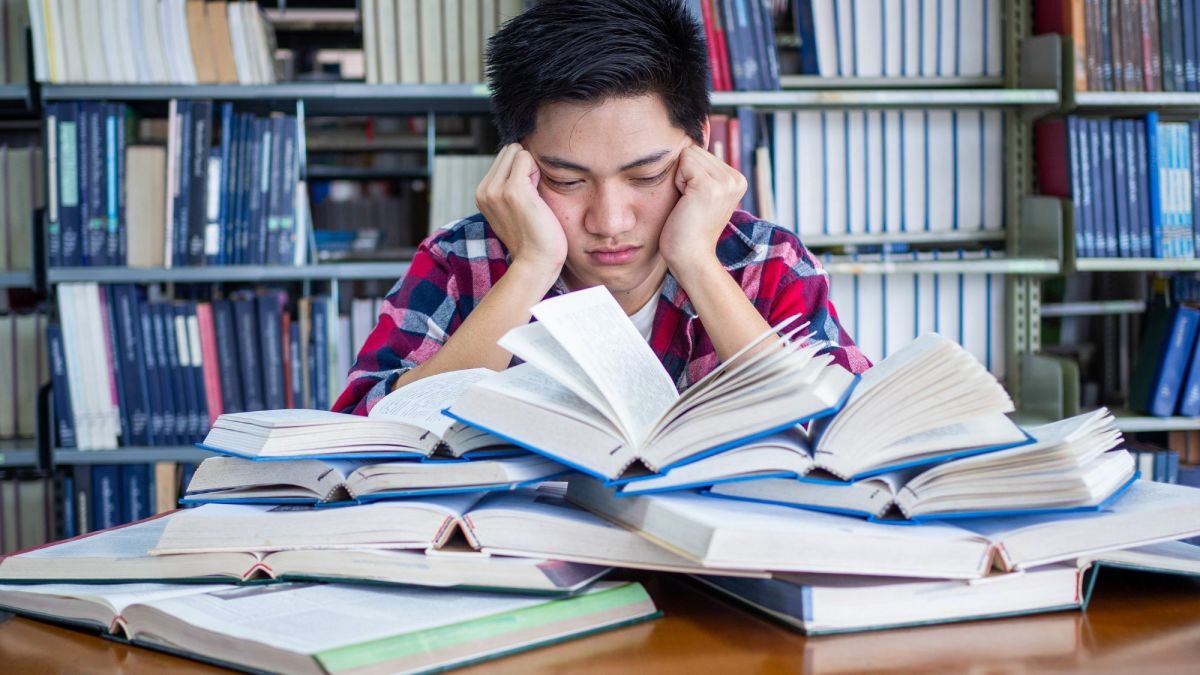
    Failure is often treated as something to avoid at all costs, particularly within educational systems that emphasize performance, grades, and measurable outcomes. Yet, failure is not an interruption of learning; it is an essential part of it. For students navigating the complexities of academic life, understanding how to deal with failure can transform their entire educational experience. Rather than being a source of shame or discouragement, failure can become a powerful tool for growth, self-awareness, and long-term success.

    Education is not simply about acquiring correct answers. It is a process of exploration, experimentation, and gradual improvement. Within this process, mistakes are inevitable. Students encounter challenges that test their abilities, push them beyond their comfort zones, and sometimes lead to outcomes that fall short of expectations. These moments, while difficult, carry valuable lessons that cannot be learned through success alone.

    One of the most significant barriers to dealing with failure is the way it is perceived. Many students internalize failure as a reflection of their intelligence or worth. A poor grade on an exam or an unsuccessful project can lead to self-doubt and a sense of inadequacy. This mindset creates a fear of failure that discourages risk-taking and limits learning opportunities. When students avoid challenges to protect themselves from failure, they also avoid growth.

    Shifting the perception of failure is a crucial first step. Failure should be seen as feedback rather than a final judgment. It provides insight into what did not work and highlights areas that require further attention. This perspective encourages curiosity rather than fear. Students begin to ask questions about their performance, seeking to understand the reasons behind their results and exploring ways to improve.

    Developing a constructive response to failure requires emotional awareness. Experiencing disappointment, frustration, or embarrassment after a setback is natural. These emotions should not be ignored or suppressed. Instead, students can learn to acknowledge and process them in a healthy way. Taking time to reflect on feelings allows individuals to move beyond immediate reactions and approach the situation with greater clarity.

    Reflection plays a central role in turning failure into a learning opportunity. After experiencing a setback, students can benefit from analyzing what happened. This involves examining their preparation, strategies, and mindset. Were there gaps in understanding? Was time managed effectively? Were distractions or external pressures a factor? Honest reflection provides a foundation for meaningful improvement.

    Resilience is closely linked to how students deal with failure. It is the ability to recover, adapt, and continue moving forward despite difficulties. Building resilience does not mean avoiding failure but learning to navigate it effectively. Each experience of overcoming a setback strengthens a student’s capacity to handle future challenges. Over time, resilience becomes a reliable source of confidence.

    Support systems are essential in this process. Teachers, peers, and family members can provide guidance, encouragement, and perspective. A supportive teacher, for example, can help a student understand their mistakes and offer constructive feedback. Peers can share similar experiences, creating a sense of solidarity. Family members can provide emotional support, reinforcing the idea that failure is a temporary and manageable part of life.

    The role of educators in shaping attitudes toward failure cannot be overstated. Classrooms that emphasize growth and effort rather than perfection create an environment where students feel safe to make mistakes. When teachers frame errors as opportunities for learning, students are more likely to engage actively and take intellectual risks. This approach fosters a culture where curiosity is valued over correctness.

    Assessment methods also influence how students perceive failure. Traditional grading systems often focus on outcomes rather than processes, which can reinforce fear of failure. Incorporating formative assessments, which provide ongoing feedback without high stakes, allows students to learn from their mistakes without the pressure of final judgment. This shift encourages continuous improvement and reduces anxiety.

    Self-compassion is another important element in dealing with failure. Students often hold themselves to high standards and may respond to setbacks with harsh self-criticism. While accountability is important, excessive self-judgment can be counterproductive. Treating oneself with kindness and understanding creates a more balanced perspective. It allows students to acknowledge their efforts while recognizing areas for growth.

    Goal setting can help students navigate failure more effectively. Clear, realistic goals provide direction and motivation. When students break larger objectives into smaller, manageable tasks, they reduce the likelihood of becoming overwhelmed. Achieving these smaller goals builds confidence and creates momentum, making it easier to recover from setbacks.

    The relationship between effort and outcome is another important consideration. Students sometimes equate effort with guaranteed success, and when results do not align with their expectations, they feel discouraged. Understanding that effort does not always produce immediate results helps students develop patience and persistence. Learning is a gradual process, and progress may not always be visible in the short term.

    Failure also provides an opportunity to develop problem-solving skills. When students encounter obstacles, they are encouraged to think critically and explore alternative approaches. This process enhances creativity and adaptability. Rather than relying on a single method, students learn to evaluate different strategies and choose the most effective one.

    The fear of judgment can intensify the impact of failure. Students may worry about how others perceive them, leading to anxiety and reluctance to participate. Creating an environment where mistakes are normalized reduces this fear. When students see that others also experience setbacks, they are more likely to view failure as a shared and manageable experience.

    Cultural expectations can influence attitudes toward failure. In some contexts, there is a strong emphasis on achievement and success, which can make failure particularly difficult to accept. Students may feel pressure to meet high standards and avoid mistakes. Recognizing these influences allows individuals to challenge unrealistic expectations and develop a more balanced perspective.

    Technology has introduced new dimensions to how students experience failure. Online learning platforms and digital tools provide immediate feedback, which can be both beneficial and challenging. While instant results can help students identify mistakes quickly, they can also create pressure to perform consistently. Learning to interpret and use feedback constructively is essential in these environments.

    Time management is another factor that affects how students deal with failure. Poor planning can lead to rushed work and unsatisfactory outcomes. Developing effective time management skills allows students to prepare adequately and reduce the likelihood of avoidable mistakes. When setbacks do occur, having a structured approach to tasks makes it easier to recover and adjust.

    Mindset plays a crucial role in shaping responses to failure. A fixed mindset, which views abilities as unchangeable, can lead to avoidance and discouragement. In contrast, a growth mindset emphasizes the potential for development through effort and learning. Students with a growth mindset are more likely to embrace challenges, persist through difficulties, and view failure as part of the learning process.

    Building a growth-oriented mindset requires consistent practice. Students can begin by changing the way they talk to themselves. Replacing thoughts such as “I am not good at this” with “I can improve with practice” creates a more constructive internal dialogue. This shift may seem small, but it has a significant impact on motivation and resilience.

    The role of habits in dealing with failure should not be overlooked. Consistent study routines, regular review of material, and active engagement with learning tasks create a strong foundation. When students develop effective habits, they are better prepared to handle challenges and less likely to be overwhelmed by setbacks.

    Failure can also influence identity. Students may begin to define themselves based on their academic performance, which can limit their sense of potential. Encouraging a broader view of identity helps individuals recognize that they are more than their grades. They possess a range of abilities, interests, and strengths that extend beyond the classroom.

    Extracurricular activities provide additional opportunities to experience and learn from failure. Whether in sports, arts, or other pursuits, students encounter challenges that require persistence and adaptation. These experiences complement academic learning and contribute to overall development.

    Communication skills are important in addressing failure. Being able to discuss challenges openly with teachers and peers creates opportunities for support and collaboration. Students who communicate effectively are more likely to seek help and gain valuable insights into their performance.

    The long-term benefits of learning to deal with failure extend beyond education. In professional and personal contexts, individuals regularly face challenges and setbacks. Developing the ability to navigate these experiences with resilience and adaptability prepares students for life beyond the classroom.

    It is important to recognize that dealing with failure is an ongoing process. There is no single strategy that works for everyone, and individuals may need to experiment with different approaches. What matters is the willingness to engage with the process and learn from each experience.

    Creating a balanced perspective on success and failure is essential. Success provides motivation and validation, while failure offers insight and growth. Both are necessary components of learning. When students understand this balance, they are better equipped to navigate the complexities of education.

    Educators and institutions play a vital role in shaping this perspective. By promoting a culture that values effort, curiosity, and resilience, they can help students develop a healthier relationship with failure. Policies and practices that support this approach contribute to more effective and meaningful learning experiences.

    In conclusion, failure is not an endpoint but a critical part of the educational journey. It challenges students, reveals areas for improvement, and fosters essential skills such as resilience, problem-solving, and adaptability. By shifting perceptions, developing supportive environments, and embracing a growth-oriented mindset, students can transform failure into a powerful catalyst for success. The ability to deal with failure is not only a key to academic achievement but also a foundation for lifelong learning and personal development.
  • How Social Environments Affect Learning

    How Social Environments Affect Learning

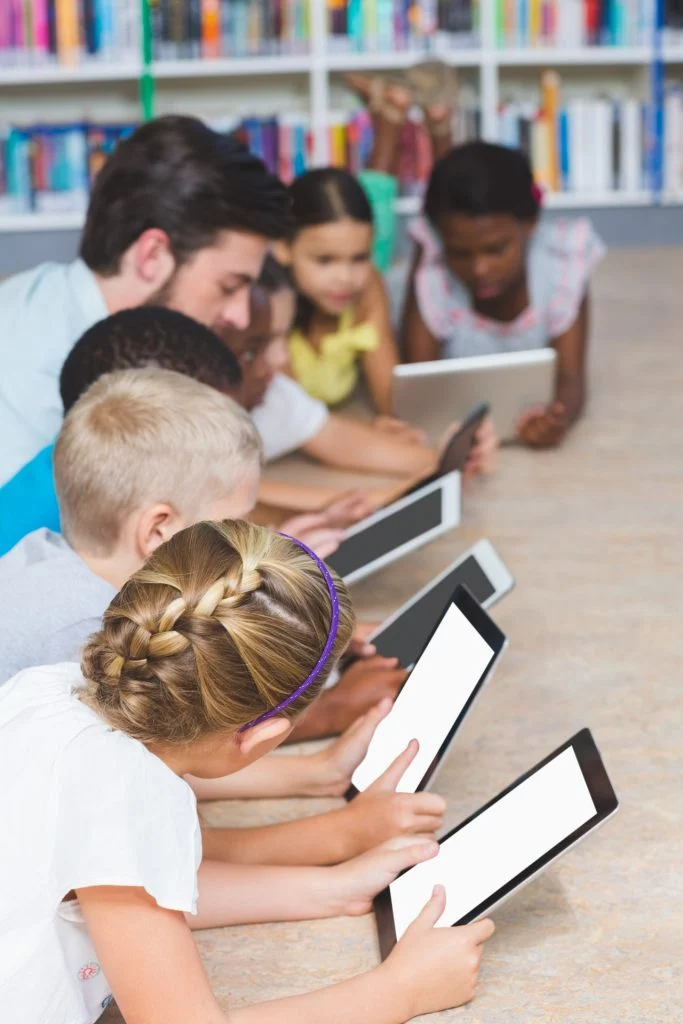
    Learning is often imagined as an individual pursuit, a quiet interaction between a student and a set of ideas. In reality, it is deeply shaped by the social environments in which it takes place. From classrooms and peer groups to families and digital communities, the social context surrounding a learner influences not only what is learned but how it is understood, retained, and applied. The quality of these environments can either support intellectual growth or create barriers that limit potential.

    At its foundation, learning is a social process. Human beings develop knowledge through interaction, observation, and communication. Students absorb not only information from textbooks and lectures but also attitudes, behaviors, and expectations from those around them. This means that the social environment is not a passive backdrop but an active force that shapes the entire educational experience.

    The classroom is one of the most immediate and influential social environments for students. The dynamics within this space can significantly affect engagement and motivation. A classroom that encourages participation, values diverse perspectives, and fosters mutual respect creates a sense of belonging. In such an environment, students feel comfortable expressing their ideas, asking questions, and taking intellectual risks. This openness leads to deeper understanding and more meaningful learning.

    In contrast, a classroom marked by tension, competition, or lack of support can hinder learning. Students may become reluctant to participate, fearing judgment or criticism. This hesitation limits their ability to explore concepts fully and engage with the material. The emotional climate of the classroom, shaped by both teachers and peers, plays a critical role in determining how effectively students learn.

    Teachers are central to shaping the social environment of the classroom. Their approach to communication, feedback, and discipline sets the tone for student interactions. Educators who demonstrate empathy, fairness, and encouragement create an atmosphere where students feel valued. This sense of recognition can significantly boost confidence and motivation. When students believe that their efforts are acknowledged, they are more likely to invest in their learning.

    Peer relationships also have a profound impact on learning. Students spend a significant portion of their time interacting with classmates, and these interactions influence attitudes toward education. Positive peer relationships can enhance learning by providing support, collaboration, and shared understanding. Group discussions, study sessions, and collaborative projects allow students to learn from one another, gaining new perspectives and reinforcing their knowledge.

    However, peer influence can also have negative effects. Social pressure, competition, or exclusion can create stress and distract from academic goals. Students may prioritize fitting in over learning, or they may feel discouraged if they compare themselves unfavorably to others. The balance between healthy collaboration and harmful competition is delicate, and it requires awareness from both students and educators.

    Family environment is another critical factor in shaping learning outcomes. The attitudes and values that students encounter at home influence their approach to education. Families that emphasize the importance of learning, provide encouragement, and support academic efforts contribute to a positive learning mindset. Simple actions, such as showing interest in schoolwork or creating a quiet space for study, can make a significant difference.

    On the other hand, a lack of support or high levels of stress within the home environment can hinder learning. Students who face instability or pressure at home may struggle to focus on their studies. Emotional well-being is closely linked to academic performance, and the family environment plays a key role in maintaining this balance.

    Cultural context also shapes social environments and, in turn, learning experiences. Different cultures have varying expectations regarding education, communication styles, and the role of authority. These cultural influences affect how students interact with teachers and peers, as well as how they perceive success and failure. Understanding and respecting cultural diversity within educational settings can enhance inclusivity and create richer learning experiences.

    The rise of digital technology has introduced new forms of social environments that extend beyond physical spaces. Online platforms, social media, and virtual classrooms have become integral to modern education. These digital environments offer opportunities for collaboration and access to information, connecting students across geographical boundaries. They can enhance learning by providing diverse perspectives and resources.

    At the same time, digital environments present challenges. The constant presence of social media can lead to distraction, comparison, and information overload. Students may feel pressure to present a certain image or keep up with peers, which can impact their focus and self-esteem. Navigating these digital spaces requires discipline and awareness to ensure that they support rather than hinder learning.

    Communication is a key element within all social environments. The way information is shared and discussed influences how it is understood. Open and respectful communication encourages critical thinking and allows students to engage deeply with ideas. When students feel heard, they are more likely to contribute actively and develop confidence in their abilities.

    Language also plays a significant role in shaping learning experiences. Students who are learning in a second language may face additional challenges in understanding and expressing ideas. Supportive social environments that recognize these challenges and provide assistance can help bridge gaps and promote inclusivity.

    Emotional safety is another important aspect of social environments. Students need to feel secure in order to learn effectively. Fear of failure, ridicule, or rejection can create barriers that prevent engagement. When environments prioritize emotional well-being, students are more willing to take risks and explore new concepts. This sense of safety fosters creativity and innovation.

    Motivation is closely tied to social context. Students are influenced by the expectations and attitudes of those around them. Positive reinforcement, encouragement, and recognition can enhance motivation, while negative feedback or lack of support can diminish it. Social environments that celebrate effort and progress rather than focusing solely on outcomes promote a healthier approach to learning.

    The concept of belonging is central to understanding how social environments affect learning. Students who feel that they are part of a community are more likely to engage and persist in their studies. Belonging is not just about being present in a space but about feeling accepted and valued. This sense of connection can have a powerful impact on both academic performance and personal development.

    Collaboration is another key benefit of positive social environments. Working with others allows students to share ideas, solve problems, and develop critical thinking skills. Collaborative learning encourages active participation and helps students see different perspectives. It also builds important interpersonal skills that are valuable beyond the classroom.

    Conflict, while often seen as negative, can also contribute to learning when managed effectively. Differences in opinion can lead to deeper understanding and critical analysis. Social environments that encourage respectful debate and constructive feedback can turn conflict into an opportunity for growth. The ability to navigate disagreements is an important skill that supports both academic and personal development.

    Social environments also influence self-perception. Students often develop their sense of identity based on interactions with others. Feedback from teachers and peers can shape confidence and self-esteem. Positive reinforcement can build a strong sense of capability, while negative experiences can lead to self-doubt. Creating environments that support positive self-perception is essential for fostering resilience and growth.

    Extracurricular activities provide additional social contexts that influence learning. Participation in clubs, sports, and other group activities allows students to develop skills that complement academic learning. These environments promote teamwork, leadership, and time management. They also provide opportunities for students to explore interests and build relationships outside the classroom.

    The physical environment, while not purely social, interacts with social factors to influence learning. Spaces that are well-designed, comfortable, and conducive to interaction can enhance the quality of social engagement. Flexible seating arrangements, for example, can encourage collaboration and discussion, while rigid setups may limit interaction.

    Equity and inclusion are critical considerations in social environments. Not all students have the same access to supportive environments, and disparities can affect learning outcomes. Efforts to create inclusive spaces that accommodate diverse needs and backgrounds are essential for ensuring that all students have the opportunity to succeed.

    The role of leadership within educational institutions also shapes social environments. School administrators and policymakers influence the culture and values of the institution. Their decisions regarding curriculum, resources, and support systems impact the overall learning environment. Leadership that prioritizes student well-being and inclusive practices contributes to more effective learning environments.

    Feedback is an important mechanism through which social environments affect learning. Constructive feedback helps students understand their strengths and areas for improvement. When delivered in a supportive manner, it encourages growth and development. Harsh or unclear feedback, on the other hand, can create confusion and discourage effort.

    Adaptability within social environments is essential in a rapidly changing world. As educational methods evolve, so too must the ways in which students interact and learn. Flexibility in teaching approaches and openness to new ideas can enhance the effectiveness of social environments. Students who experience adaptable environments are better prepared to navigate change.

    Ultimately, the relationship between social environments and learning is complex and multifaceted. Each student experiences these environments differently, influenced by personal background, personality, and circumstances. However, the overall impact is undeniable. Supportive, inclusive, and engaging social environments can enhance learning in profound ways, while negative environments can create significant barriers.

    In conclusion, learning is not an isolated activity but a deeply social experience shaped by a wide range of influences. Classrooms, peer groups, families, and digital communities all contribute to the learning process. By understanding the role of social environments, educators, students, and families can work together to create conditions that support growth, engagement, and success. When the social context of learning is nurtured with care and intention, it becomes a powerful foundation for both academic achievement and lifelong development.

  • Building Resilience as a Student

    Building Resilience as a Student

    Resilience is often described as the ability to recover from difficulty, but for students it is something deeper and more transformative. It is the quiet strength that allows a learner to move forward after failure, adapt to pressure, and continue growing despite uncertainty. In the modern academic environment, where expectations are high and competition is constant, resilience has become one of the most essential qualities a student can develop. It is not an inborn trait reserved for a few, but a skill that can be cultivated through awareness, practice, and intentional effort.

    Student life is a period of constant transition. New environments, academic demands, social expectations, and personal challenges create a landscape that is both exciting and overwhelming. Many students begin their educational journeys with enthusiasm, only to encounter setbacks that shake their confidence. Exams may not go as planned, assignments can feel unmanageable, and comparison with peers can create self-doubt. In these moments, resilience becomes the difference between giving up and pushing forward.

    At its core, resilience is about mindset. A resilient student does not interpret failure as a permanent reflection of their ability. Instead, they see it as feedback, a signal pointing toward areas of improvement. This shift in perspective is powerful. When challenges are viewed as opportunities to learn rather than obstacles to avoid, the entire educational experience changes. Students become more willing to take risks, ask questions, and engage deeply with their studies.

    Developing resilience begins with self-awareness. Students must first understand how they respond to stress and adversity. Some may withdraw, while others may become overly critical of themselves. Recognizing these patterns is the first step toward change. Once students are aware of their reactions, they can begin to replace unhelpful habits with healthier responses. This might involve pausing before reacting, reframing negative thoughts, or seeking support when needed.

    Emotional regulation plays a significant role in resilience. Academic life can trigger a wide range of emotions, from excitement and curiosity to anxiety and frustration. Resilient students learn to navigate these emotions without being overwhelmed by them. They acknowledge their feelings without allowing those feelings to dictate their actions. This does not mean suppressing emotions, but rather understanding and managing them in a constructive way.

    Another key aspect of resilience is adaptability. The ability to adjust to changing circumstances is crucial in an educational setting where plans often shift unexpectedly. A course may become more challenging than anticipated, a group project may not go smoothly, or personal circumstances may interfere with study routines. Students who can adapt are better equipped to handle these disruptions. They remain flexible, willing to revise their strategies, and open to new approaches.

    Time management is closely connected to resilience. Poor organization can amplify stress, making challenges feel more overwhelming than they actually are. When students learn to manage their time effectively, they create a sense of control over their workload. This control reduces anxiety and allows them to approach tasks with greater confidence. Setting realistic goals, breaking assignments into manageable parts, and maintaining a consistent study routine are all practices that support resilience.

    Support systems are equally important. No student is expected to navigate challenges alone. Friends, family, teachers, and mentors can provide encouragement, guidance, and perspective. Resilient students recognize the value of these relationships and are not hesitant to seek help when needed. Asking for support is not a sign of weakness, but an act of strength. It demonstrates a willingness to learn and grow through collaboration.

    Self-compassion is another foundational element of resilience. Many students are highly self-critical, especially when they fall short of their own expectations. While striving for excellence is valuable, harsh self-judgment can be damaging. Resilient students treat themselves with kindness, especially during difficult times. They understand that mistakes are a natural part of the learning process. By offering themselves the same understanding they would extend to others, they create a more supportive internal environment.

    Building resilience also involves developing a sense of purpose. When students have a clear understanding of why they are pursuing their education, they are more motivated to overcome challenges. This purpose does not have to be grand or fixed. It can evolve over time. What matters is that students feel connected to their goals and see value in their efforts. This sense of meaning provides direction and helps sustain motivation during difficult periods.

    Physical well-being is often overlooked in discussions about resilience, but it plays a crucial role. Adequate sleep, balanced nutrition, and regular physical activity all contribute to mental clarity and emotional stability. When the body is well cared for, the mind is better equipped to handle stress. Students who prioritize their health are more likely to maintain focus, energy, and resilience in the face of academic demands.

    The role of failure in building resilience cannot be overstated. Failure is often perceived negatively, but it is one of the most powerful learning tools available. Each setback provides valuable information about what does not work and what can be improved. Resilient students do not avoid failure; they engage with it. They reflect on their experiences, identify lessons, and apply those lessons moving forward. Over time, this process strengthens their ability to navigate challenges.

    Confidence is another outcome of resilience. As students overcome obstacles, they begin to trust in their ability to handle future difficulties. This confidence is not based on perfection, but on experience. It comes from knowing that even if things go wrong, they have the skills and mindset to recover. This belief in oneself is a powerful motivator and a key component of long-term success.

    The educational environment also plays a role in shaping resilience. Supportive teachers who encourage growth, provide constructive feedback, and create a safe space for learning can have a profound impact. When students feel valued and understood, they are more likely to take risks and persist through challenges. Similarly, institutions that promote well-being and offer resources for support contribute to the development of resilient learners.

    Technology has introduced new dimensions to student life, both positive and challenging. While it provides access to vast amounts of information and learning tools, it can also create distractions and pressure. Social media, in particular, can lead to comparison and unrealistic expectations. Resilient students learn to navigate these digital environments thoughtfully. They use technology as a tool for growth rather than a source of stress.

    Cultural and societal expectations can also influence resilience. In some contexts, there may be pressure to achieve high academic performance at all costs. While ambition is valuable, excessive pressure can be counterproductive. Students must learn to define success in a way that aligns with their values and well-being. Resilience involves balancing external expectations with internal needs.

    Reflection is a powerful practice for building resilience. Taking time to think about experiences, both positive and negative, allows students to gain insight into their growth. Journaling, for example, can help students process emotions and track progress. Through reflection, they can identify patterns, celebrate achievements, and set intentions for the future.

    Goal setting is another important strategy. Clear, achievable goals provide direction and motivation. Resilient students set goals that challenge them without overwhelming them. They remain flexible, adjusting their goals as circumstances change. This balance between ambition and adaptability supports sustained progress.

    It is also important to recognize that resilience is not about constant strength. There will be times when students feel overwhelmed or discouraged. These moments are a natural part of the journey. Resilience involves acknowledging these feelings and continuing forward, even in small steps. Progress does not always have to be dramatic; consistency over time is what matters.

    Peer relationships can significantly influence resilience. Positive friendships provide support, encouragement, and a sense of belonging. Students who surround themselves with supportive peers are more likely to persevere through challenges. At the same time, it is important to be mindful of negative influences that may undermine confidence or motivation.

    Learning to accept uncertainty is another aspect of resilience. The future is often unpredictable, and students may feel pressure to have everything figured out. Resilient students embrace uncertainty as a natural part of growth. They focus on what they can control and remain open to new possibilities. This openness allows them to adapt and thrive in changing circumstances.

    Creativity can also support resilience. Engaging in creative activities provides an outlet for expression and a way to explore new ideas. Whether through writing, art, or other forms of creativity, students can develop a sense of agency and innovation. This creative mindset can be applied to problem-solving in academic contexts as well.

    Resilience is closely linked to perseverance. The ability to stay committed to goals despite difficulties is a defining characteristic of successful students. This perseverance is not driven by stubbornness, but by a genuine commitment to growth. Resilient students understand that meaningful achievements often require sustained effort over time.

    Developing resilience is a gradual process. It does not happen overnight, and it requires consistent effort. Students may experience setbacks along the way, but each challenge presents an opportunity to strengthen their resilience. Over time, these experiences build a foundation of confidence, adaptability, and determination.

    In conclusion, resilience is an essential skill for students navigating the complexities of academic life. It empowers them to להתמודד challenges, learn from failure, and continue growing in the face of adversity. By cultivating self-awareness, emotional regulation, adaptability, and a supportive network, students can develop the resilience needed to succeed not only in their studies but in all areas of life. This journey is deeply personal, shaped by individual experiences and choices, but the rewards are universal. Resilient students emerge stronger, more confident, and better prepared to face the future with courage and purpose.