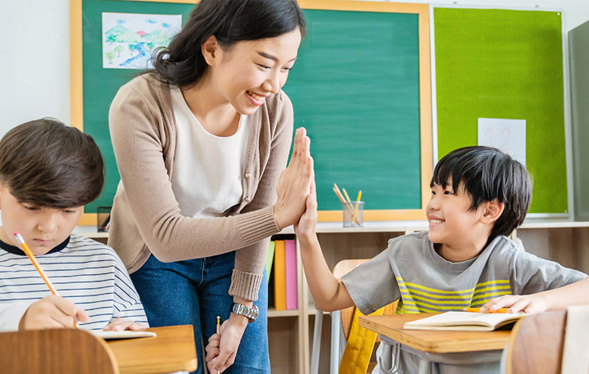
Motivation is the heartbeat of effective learning. Without it, even the most brilliant teaching strategies and carefully designed curricula can fall flat. Motivated students engage actively with learning, persist through challenges, and achieve greater academic and personal growth. Teachers play a central role in cultivating this motivation, influencing not only how students perform but also how they perceive learning itself. Understanding the mechanisms of motivation and the strategies that promote it is crucial for creating educational environments where students thrive.
The Importance of Motivation in Learning
Motivation drives students to invest effort, set goals, and embrace challenges. It shapes their attitudes toward school, learning, and personal development. Research in educational psychology shows that motivated learners are more likely to participate actively in class, retain information, develop problem-solving skills, and engage in critical thinking. Motivation also impacts resilience, helping students persist through difficulties and setbacks.
The absence of motivation can manifest as disengagement, lack of effort, and declining performance. Therefore, teachers must prioritize strategies that foster intrinsic motivation—the internal desire to learn for personal satisfaction and growth—as well as extrinsic motivation, which involves external incentives such as praise, recognition, or rewards.
Understanding the Factors That Influence Motivation
Motivation is influenced by a combination of psychological, social, and environmental factors. Students’ beliefs about their abilities, their goals, and the value they place on learning all shape their motivation. For instance, a student who believes in their capability to succeed is more likely to take on challenging tasks, while a student who doubts their abilities may avoid effort and disengage.
The classroom environment also plays a critical role. Supportive relationships with teachers, a sense of belonging, and a safe and stimulating learning space enhance motivation. Similarly, opportunities for autonomy, choice, and active participation empower students to take ownership of their learning, strengthening intrinsic motivation.
Building a Positive Teacher-Student Relationship
A strong, positive relationship between teachers and students is foundational to motivation. Students are more likely to engage and invest effort when they feel respected, understood, and supported by their teachers. Teachers can cultivate these relationships by showing empathy, listening actively, and acknowledging students’ individual strengths and challenges.
Personalized attention and encouragement can also boost motivation. Recognizing effort, celebrating progress, and providing constructive feedback help students see the value of their work and inspire them to persist. When students perceive that their teachers genuinely care about their success, they are more likely to internalize motivation and develop a commitment to learning.
Setting Clear Goals and Expectations
Clear goals and expectations provide direction and purpose for learning. Teachers can motivate students by setting achievable, challenging goals and communicating the relevance of tasks. When students understand the objectives, they are more likely to engage meaningfully and monitor their own progress.
Breaking complex tasks into manageable steps also enhances motivation. By creating opportunities for small successes, teachers help students build confidence and a sense of competence. This approach encourages persistence, reduces anxiety, and reinforces the value of effort and progress.
Encouraging Active and Engaging Learning
Active learning strategies increase student engagement and motivation. Activities that involve problem-solving, discussion, collaboration, and hands-on experience make learning dynamic and meaningful. When students actively construct knowledge rather than passively receive it, they develop a deeper understanding and a stronger connection to the subject matter.
Incorporating real-world applications and interdisciplinary learning further motivates students. When learners see how their studies relate to life beyond the classroom, they are more likely to invest effort and engage with content. Relevance, context, and authenticity in learning experiences foster curiosity and a desire to explore further.
Providing Choice and Autonomy
Autonomy is a powerful driver of intrinsic motivation. Allowing students to make decisions about their learning—such as selecting topics, projects, or methods of demonstrating understanding—enhances engagement and ownership. Choice encourages creativity, responsibility, and self-direction.
Teachers can support autonomy by offering flexible learning paths and scaffolding guidance based on individual needs. Balancing structure and freedom ensures that students feel empowered without becoming overwhelmed. Autonomy fosters self-motivation, resilience, and lifelong learning skills.
Using Constructive Feedback Effectively
Feedback is a critical tool for motivation. Constructive, timely, and specific feedback helps students understand their strengths, identify areas for improvement, and develop strategies for growth. Positive reinforcement encourages effort and progress, while constructive guidance fosters reflection and self-improvement.
Feedback should be framed to promote a growth mindset—the belief that abilities can be developed through effort and persistence. By emphasizing learning, effort, and progress rather than fixed ability, teachers motivate students to embrace challenges and persevere in the face of setbacks.
Fostering a Collaborative Learning Environment
Collaboration enhances motivation by promoting social interaction, shared responsibility, and peer support. Group work, discussions, and collaborative projects create opportunities for students to learn from one another, exchange ideas, and develop communication and interpersonal skills.
A collaborative environment also nurtures a sense of community and belonging. When students feel connected to their peers, they are more likely to participate actively, support one another, and remain engaged in learning. Teachers play a key role in facilitating collaboration, setting norms for respectful dialogue, and guiding group processes.
Integrating Technology to Engage Learners
Technology can be a powerful motivator when used thoughtfully. Interactive platforms, educational software, simulations, and multimedia resources make learning more engaging and dynamic. Technology allows for personalized learning, instant feedback, and opportunities for exploration beyond the traditional classroom setting.
Digital tools also appeal to students’ interests and learning preferences, providing multiple avenues to access and demonstrate knowledge. Teachers can leverage technology to create interactive lessons, gamified learning experiences, and virtual collaboration opportunities, enhancing motivation and engagement.
Recognizing and Celebrating Achievement
Recognition and celebration of achievement reinforce motivation. Acknowledging effort, improvement, and success encourages students to continue striving for excellence. Recognition can take many forms, including verbal praise, public acknowledgment, certificates, or showcasing student work.
Celebrating milestones and accomplishments helps students see the tangible outcomes of their efforts, reinforcing the connection between effort, achievement, and satisfaction. This approach nurtures self-confidence, pride, and a continued desire to learn.
Addressing Challenges and Maintaining Motivation
Maintaining student motivation is not without challenges. Students may experience stress, burnout, or disengagement due to academic pressure, personal issues, or lack of interest. Teachers can address these challenges by fostering supportive relationships, providing flexible learning options, and encouraging reflection and self-awareness.
Creating a balanced learning environment that combines challenge with support helps students remain motivated without becoming overwhelmed. Teachers can also model motivation and enthusiasm, demonstrating a love for learning that inspires students to engage with the material.
The Role of Emotional Support
Emotional support is integral to motivation. Students who feel safe, respected, and valued are more likely to take risks, explore ideas, and engage deeply with learning. Teachers can provide emotional support through active listening, empathy, and validation of students’ experiences and feelings.
Promoting social-emotional learning alongside academic instruction strengthens motivation, resilience, and interpersonal skills. When students’ emotional well-being is addressed, they are better equipped to focus, persist, and achieve success in their learning journey
Leave a Reply