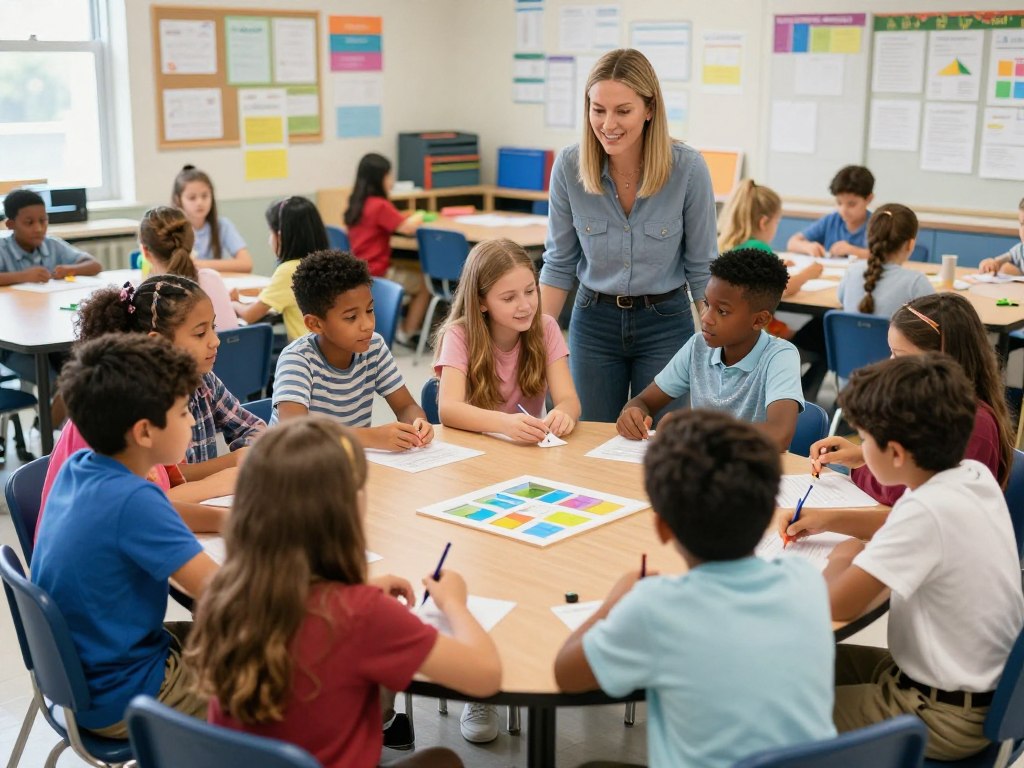
Teaching is both an art and a discipline, shaped by knowledge, experience, and a deep understanding of human development. The classroom, as the primary space where teaching unfolds, is far more than a physical environment. It is a place where ideas are explored, relationships are built, and identities are formed. The experience of teaching in a classroom is dynamic and multifaceted, influenced by the needs of students, the goals of education, and the evolving nature of society. A meaningful classroom experience is not defined by routine or repetition but by engagement, adaptability, and the ability to inspire learning in diverse and ever-changing contexts.
At its core, teaching is about communication. It involves the careful presentation of ideas in ways that are accessible and meaningful to learners. However, effective teaching goes beyond simply delivering information. It requires an awareness of how students interpret, question, and apply what they are taught. A skilled teacher recognizes that communication is a two-way process. Listening to students, observing their responses, and adapting instruction accordingly are essential components of a successful classroom experience. When communication is clear and responsive, learning becomes more interactive and engaging.
The classroom experience is deeply shaped by the environment that teachers create. A positive learning environment fosters curiosity, respect, and a sense of belonging. Students need to feel safe, both intellectually and emotionally, in order to participate fully. When they are encouraged to express their ideas without fear of judgment, they become more confident and willing to take risks in their learning. Teachers play a central role in establishing this environment through their attitudes, expectations, and interactions with students. A supportive classroom culture promotes collaboration and helps students develop a strong sense of community.
Planning is a fundamental aspect of teaching that significantly influences the classroom experience. Effective lesson planning ensures that learning objectives are clear and that activities are aligned with these goals. A well-structured lesson provides direction while allowing flexibility for spontaneous discussion and exploration. Planning also involves anticipating potential challenges and preparing strategies to address them. By thoughtfully organizing content and activities, teachers create a coherent learning experience that guides students toward deeper understanding.
One of the defining features of a rich classroom experience is active participation. Students learn best when they are involved in the process rather than passively receiving information. Active learning strategies encourage students to think critically, ask questions, and engage with the material. Discussions, group work, and hands-on activities provide opportunities for students to interact with content in meaningful ways. These approaches not only enhance understanding but also make learning more enjoyable and memorable.
The diversity of learners in a classroom presents both challenges and opportunities. Students differ in their backgrounds, abilities, interests, and learning styles. A teacher’s ability to address this diversity is crucial for creating an inclusive classroom experience. Differentiated instruction allows teachers to tailor their approach to meet the needs of all students. This may involve varying the pace of instruction, offering different types of activities, or providing additional support where needed. When diversity is embraced and accommodated, every student has the opportunity to succeed.
Assessment is an integral part of teaching and plays a key role in shaping the classroom experience. It provides valuable information about student progress and helps guide instructional decisions. Effective assessment goes beyond traditional tests and exams. It includes a range of methods such as observations, projects, and discussions that capture different aspects of learning. Formative assessment, in particular, allows teachers to monitor understanding throughout the learning process and make adjustments as needed. This ongoing feedback supports continuous improvement and keeps students engaged.
Feedback is closely linked to assessment and is essential for effective teaching. Constructive feedback helps students understand their strengths and identify areas for growth. It should be specific, timely, and focused on guiding improvement rather than simply evaluating performance. When students receive meaningful feedback, they are more likely to take ownership of their learning and strive for progress. Feedback also strengthens the relationship between teacher and student, as it demonstrates a commitment to their development.
Classroom management is another critical component of the teaching experience. A well-managed classroom provides a structured environment where learning can take place without unnecessary disruptions. Effective classroom management is based on clear expectations, consistency, and mutual respect. Rather than relying solely on discipline, it emphasizes creating a positive atmosphere where students are motivated to behave responsibly. When students understand the expectations and feel respected, they are more likely to contribute positively to the classroom environment.
The role of the teacher has evolved significantly in recent years. In traditional models, the teacher was often seen as the primary source of knowledge. Today, the focus has shifted toward facilitating learning and guiding students in their exploration of information. This shift reflects the increasing availability of knowledge through digital resources. Teachers now play a key role in helping students navigate this information, evaluate its credibility, and apply it effectively. This approach encourages independent learning and critical thinking.
Technology has become an integral part of the modern classroom experience. Digital tools offer new ways to present information, engage students, and support learning. Interactive presentations, online resources, and collaborative platforms can enhance the teaching process. However, the use of technology should be purposeful and aligned with learning objectives. When integrated effectively, technology can enrich the classroom experience without overshadowing the human aspects of teaching.
Building strong relationships with students is central to effective teaching. These relationships are based on trust, respect, and understanding. When students feel that their teacher cares about them, they are more likely to engage and participate. Taking the time to learn about students’ interests, challenges, and goals helps create a supportive environment. Positive relationships also contribute to better classroom management and a more collaborative learning atmosphere.
Motivation is a key factor in the classroom experience. Students who are motivated are more likely to engage with the material and persist through challenges. Teachers can foster motivation by creating meaningful learning experiences, setting achievable goals, and providing encouragement. Recognizing students’ efforts and achievements helps build confidence and reinforces a positive attitude toward learning. Intrinsic motivation, where students are driven by their own interest and curiosity, is particularly important for long-term success.
Reflection is an important practice for both teachers and students. For teachers, reflection involves evaluating their methods and considering how they can improve. This process supports professional growth and enhances the quality of teaching. For students, reflection helps deepen understanding and encourages self-awareness. Activities such as journaling or group discussions can provide opportunities for reflection, making it an integral part of the learning process.
Collaboration is a valuable element of the classroom experience. Working together allows students to share ideas, learn from each other, and develop important social skills. Collaborative activities also promote critical thinking and problem-solving. Teachers can facilitate collaboration by designing tasks that require teamwork and by creating an environment where all contributions are valued. This approach helps build a sense of community and prepares students for real-world interactions.
Creativity is another important aspect of teaching. A creative classroom experience encourages students to think beyond standard solutions and explore new possibilities. Teachers can foster creativity by incorporating diverse activities such as storytelling, role-playing, and project-based learning. Creativity not only makes learning more engaging but also helps students develop skills that are essential in a rapidly changing world.
Challenges are an inevitable part of the teaching and classroom experience. These may include varying levels of student engagement, limited resources, or external pressures. Effective teachers approach challenges with resilience and adaptability. They seek solutions, learn from experience, and remain committed to their goals. This resilience not only supports their own development but also serves as a model for students.
Professional development plays a crucial role in enhancing teaching and classroom experiences. Continuous learning allows teachers to stay updated on new strategies, technologies, and educational research. Workshops, training programs, and collaboration with colleagues provide opportunities for growth. A commitment to professional development ensures that teaching practices remain effective and relevant.
The physical arrangement of the classroom also influences the learning experience. A well-organized and inviting space can enhance focus and interaction. Flexible seating arrangements, access to resources, and a visually appealing environment contribute to a positive atmosphere. The physical space should support the goals of teaching and encourage engagement.
Cultural awareness is increasingly important in diverse classrooms. Teachers must be sensitive to the cultural backgrounds of their students and incorporate this understanding into their teaching. Culturally responsive teaching helps students feel valued and respected. It also enriches the learning experience by introducing diverse perspectives and ideas.
The impact of teaching extends beyond academic achievement. The classroom experience plays a significant role in shaping students’ attitudes, values, and social skills. Teachers influence how students perceive themselves and their potential. By fostering confidence, curiosity, and a love for learning, teachers contribute to the development of well-rounded individuals.
In conclusion, teaching and classroom experience are complex and interconnected aspects of education. They involve careful planning, effective communication, and a deep understanding of students. A successful classroom experience is one that engages learners, supports their development, and inspires them to achieve their potential.
Teaching is not a static profession but a continuous journey of growth and adaptation. Each classroom presents new opportunities and challenges, requiring teachers to remain flexible and innovative. By focusing on the needs of students and embracing the evolving nature of education, teachers can create meaningful and impactful learning experience
Leave a Reply