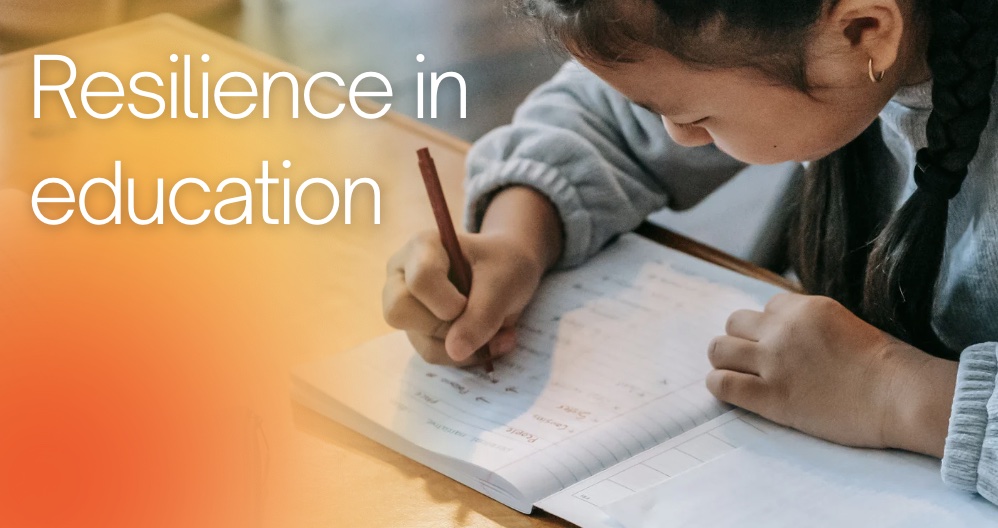
Resilience is often described as the ability to recover from difficulty, but for students it is something deeper and more transformative. It is the quiet strength that allows a learner to move forward after failure, adapt to pressure, and continue growing despite uncertainty. In the modern academic environment, where expectations are high and competition is constant, resilience has become one of the most essential qualities a student can develop. It is not an inborn trait reserved for a few, but a skill that can be cultivated through awareness, practice, and intentional effort.
Student life is a period of constant transition. New environments, academic demands, social expectations, and personal challenges create a landscape that is both exciting and overwhelming. Many students begin their educational journeys with enthusiasm, only to encounter setbacks that shake their confidence. Exams may not go as planned, assignments can feel unmanageable, and comparison with peers can create self-doubt. In these moments, resilience becomes the difference between giving up and pushing forward.
At its core, resilience is about mindset. A resilient student does not interpret failure as a permanent reflection of their ability. Instead, they see it as feedback, a signal pointing toward areas of improvement. This shift in perspective is powerful. When challenges are viewed as opportunities to learn rather than obstacles to avoid, the entire educational experience changes. Students become more willing to take risks, ask questions, and engage deeply with their studies.
Developing resilience begins with self-awareness. Students must first understand how they respond to stress and adversity. Some may withdraw, while others may become overly critical of themselves. Recognizing these patterns is the first step toward change. Once students are aware of their reactions, they can begin to replace unhelpful habits with healthier responses. This might involve pausing before reacting, reframing negative thoughts, or seeking support when needed.
Emotional regulation plays a significant role in resilience. Academic life can trigger a wide range of emotions, from excitement and curiosity to anxiety and frustration. Resilient students learn to navigate these emotions without being overwhelmed by them. They acknowledge their feelings without allowing those feelings to dictate their actions. This does not mean suppressing emotions, but rather understanding and managing them in a constructive way.
Another key aspect of resilience is adaptability. The ability to adjust to changing circumstances is crucial in an educational setting where plans often shift unexpectedly. A course may become more challenging than anticipated, a group project may not go smoothly, or personal circumstances may interfere with study routines. Students who can adapt are better equipped to handle these disruptions. They remain flexible, willing to revise their strategies, and open to new approaches.
Time management is closely connected to resilience. Poor organization can amplify stress, making challenges feel more overwhelming than they actually are. When students learn to manage their time effectively, they create a sense of control over their workload. This control reduces anxiety and allows them to approach tasks with greater confidence. Setting realistic goals, breaking assignments into manageable parts, and maintaining a consistent study routine are all practices that support resilience.
Support systems are equally important. No student is expected to navigate challenges alone. Friends, family, teachers, and mentors can provide encouragement, guidance, and perspective. Resilient students recognize the value of these relationships and are not hesitant to seek help when needed. Asking for support is not a sign of weakness, but an act of strength. It demonstrates a willingness to learn and grow through collaboration.
Self-compassion is another foundational element of resilience. Many students are highly self-critical, especially when they fall short of their own expectations. While striving for excellence is valuable, harsh self-judgment can be damaging. Resilient students treat themselves with kindness, especially during difficult times. They understand that mistakes are a natural part of the learning process. By offering themselves the same understanding they would extend to others, they create a more supportive internal environment.
Building resilience also involves developing a sense of purpose. When students have a clear understanding of why they are pursuing their education, they are more motivated to overcome challenges. This purpose does not have to be grand or fixed. It can evolve over time. What matters is that students feel connected to their goals and see value in their efforts. This sense of meaning provides direction and helps sustain motivation during difficult periods.
Physical well-being is often overlooked in discussions about resilience, but it plays a crucial role. Adequate sleep, balanced nutrition, and regular physical activity all contribute to mental clarity and emotional stability. When the body is well cared for, the mind is better equipped to handle stress. Students who prioritize their health are more likely to maintain focus, energy, and resilience in the face of academic demands.
The role of failure in building resilience cannot be overstated. Failure is often perceived negatively, but it is one of the most powerful learning tools available. Each setback provides valuable information about what does not work and what can be improved. Resilient students do not avoid failure; they engage with it. They reflect on their experiences, identify lessons, and apply those lessons moving forward. Over time, this process strengthens their ability to navigate challenges.
Confidence is another outcome of resilience. As students overcome obstacles, they begin to trust in their ability to handle future difficulties. This confidence is not based on perfection, but on experience. It comes from knowing that even if things go wrong, they have the skills and mindset to recover. This belief in oneself is a powerful motivator and a key component of long-term success.
The educational environment also plays a role in shaping resilience. Supportive teachers who encourage growth, provide constructive feedback, and create a safe space for learning can have a profound impact. When students feel valued and understood, they are more likely to take risks and persist through challenges. Similarly, institutions that promote well-being and offer resources for support contribute to the development of resilient learners.
Technology has introduced new dimensions to student life, both positive and challenging. While it provides access to vast amounts of information and learning tools, it can also create distractions and pressure. Social media, in particular, can lead to comparison and unrealistic expectations. Resilient students learn to navigate these digital environments thoughtfully. They use technology as a tool for growth rather than a source of stress.
Cultural and societal expectations can also influence resilience. In some contexts, there may be pressure to achieve high academic performance at all costs. While ambition is valuable, excessive pressure can be counterproductive. Students must learn to define success in a way that aligns with their values and well-being. Resilience involves balancing external expectations with internal needs.
Reflection is a powerful practice for building resilience. Taking time to think about experiences, both positive and negative, allows students to gain insight into their growth. Journaling, for example, can help students process emotions and track progress. Through reflection, they can identify patterns, celebrate achievements, and set intentions for the future.
Goal setting is another important strategy. Clear, achievable goals provide direction and motivation. Resilient students set goals that challenge them without overwhelming them. They remain flexible, adjusting their goals as circumstances change. This balance between ambition and adaptability supports sustained progress.
It is also important to recognize that resilience is not about constant strength. There will be times when students feel overwhelmed or discouraged. These moments are a natural part of the journey. Resilience involves acknowledging these feelings and continuing forward, even in small steps. Progress does not always have to be dramatic; consistency over time is what matters.
Peer relationships can significantly influence resilience. Positive friendships provide support, encouragement, and a sense of belonging. Students who surround themselves with supportive peers are more likely to persevere through challenges. At the same time, it is important to be mindful of negative influences that may undermine confidence or motivation.
Learning to accept uncertainty is another aspect of resilience. The future is often unpredictable, and students may feel pressure to have everything figured out. Resilient students embrace uncertainty as a natural part of growth. They focus on what they can control and remain open to new possibilities. This openness allows them to adapt and thrive in changing circumstances.
Creativity can also support resilience. Engaging in creative activities provides an outlet for expression and a way to explore new ideas. Whether through writing, art, or other forms of creativity, students can develop a sense of agency and innovation. This creative mindset can be applied to problem-solving in academic contexts as well.
Resilience is closely linked to perseverance. The ability to stay committed to goals despite difficulties is a defining characteristic of successful students. This perseverance is not driven by stubbornness, but by a genuine commitment to growth. Resilient students understand that meaningful achievements often require sustained effort over time.
Developing resilience is a gradual process. It does not happen overnight, and it requires consistent effort. Students may experience setbacks along the way, but each challenge presents an opportunity to strengthen their resilience. Over time, these experiences build a foundation of confidence, adaptability, and determination.
In conclusion, resilience is an essential skill for students navigating the complexities of academic life. It empowers them to להתמודד challenges, learn from failure, and continue growing in the face of adversity. By cultivating self-awareness, emotional regulation, adaptability, and a supportive network, students can develop the resilience needed to succeed not only in their studies but in all areas of life. This journey is deeply personal, shaped by individual experiences and choices, but the rewards are universal. Resilient students emerge stronger, more confident, and better prepared to face the future with courage and purpose.
Leave a Reply