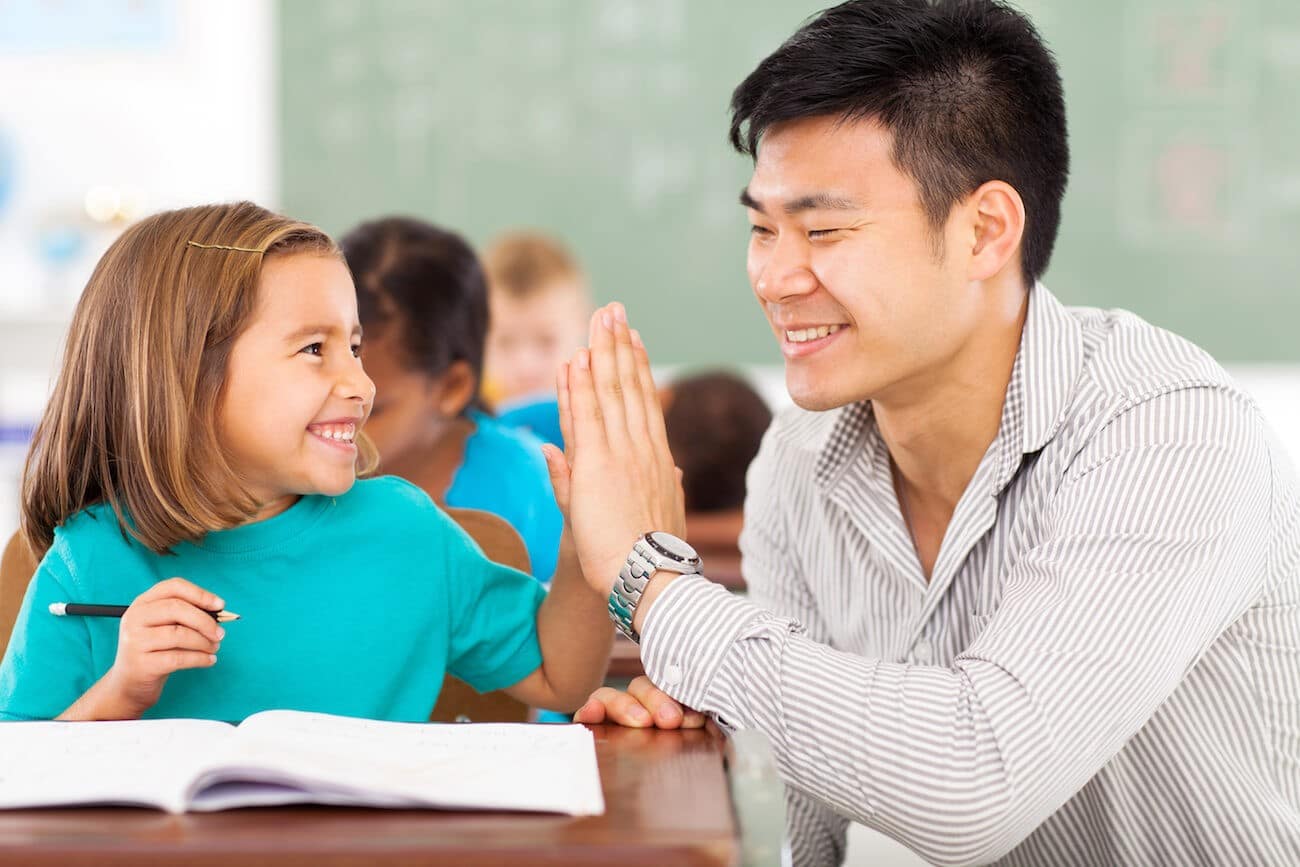
The quality of student-teacher relationships plays a pivotal role in the educational experience. These relationships are foundational to academic achievement, social-emotional development, and long-term engagement with learning. When students feel respected, understood, and supported by their teachers, they are more motivated, confident, and willing to take intellectual risks. Conversely, distant or strained relationships can hinder learning, reduce engagement, and create barriers to personal and academic growth. Building better student-teacher relationships is not merely a matter of interpersonal rapport; it is a strategic and ethical imperative for effective education.
The Importance of Student-Teacher Relationships
A strong student-teacher relationship fosters a sense of belonging. Students who feel connected to their teachers are more likely to participate actively, seek help when needed, and persevere through challenges. This connection creates a classroom environment where curiosity, experimentation, and collaboration are encouraged. Emotional safety is central: when students trust that their thoughts, questions, and mistakes are valued, they engage more deeply with learning and develop resilience in the face of difficulty.
Research consistently shows that positive student-teacher relationships correlate with improved academic outcomes. Engagement, motivation, and performance are significantly higher when students perceive teachers as supportive and invested in their success. Moreover, these relationships influence socio-emotional development, including self-confidence, empathy, and interpersonal skills. Students learn not only academic content but also how to navigate social dynamics, manage emotions, and develop constructive relationships with peers and adults.
Strategies for Building Strong Relationships
Developing effective student-teacher relationships requires intentional effort, empathy, and reflective practice. Several strategies can foster these connections:
Active Listening and Responsiveness
Teachers who listen attentively to students demonstrate respect and understanding. Active listening involves paying full attention, acknowledging perspectives, and responding thoughtfully. It encourages students to express ideas, concerns, and feelings, knowing they are heard. Responsiveness includes adapting instruction to meet students’ needs, clarifying misunderstandings, and validating contributions. This dynamic creates a reciprocal relationship built on mutual trust.
Consistent Communication
Regular, transparent communication strengthens relationships. Teachers should provide clear expectations, constructive feedback, and timely updates on progress. Equally important is creating channels for students to communicate their thoughts, questions, and challenges. Whether through individual conferences, group discussions, or digital platforms, effective communication ensures students feel connected and supported.
Personalization and Understanding Individual Needs
Every student is unique, with distinct learning styles, interests, and socio-emotional contexts. Teachers who take the time to understand these differences can tailor instruction, encouragement, and support effectively. Recognizing students’ strengths, challenges, and personal experiences fosters a sense of validation and belonging. Personalized interactions demonstrate that teachers view students as individuals, not merely as participants in a curriculum.
Empathy and Emotional Intelligence
Empathy is central to meaningful relationships. Teachers who understand and acknowledge students’ emotions, perspectives, and experiences create environments of trust and respect. Emotional intelligence allows educators to manage their own responses, interpret students’ cues, and respond with care. When teachers model empathy, students are more likely to develop similar capacities, enhancing classroom culture and peer interactions.
Positive Reinforcement and Encouragement
Recognition of effort, improvement, and achievement motivates students and reinforces positive behavior. Constructive feedback, praise, and encouragement support confidence and persistence. Celebrating both small and significant accomplishments signals to students that their growth is valued, fostering motivation and self-efficacy. Positive reinforcement strengthens relational bonds and encourages continued engagement.
Establishing Mutual Respect
Respect is foundational for trust and collaboration. Teachers must demonstrate fairness, integrity, and professionalism in interactions. Respect involves listening without judgment, maintaining consistent standards, and acknowledging students’ perspectives. When students perceive mutual respect, they are more likely to engage actively, collaborate with peers, and respond constructively to guidance.
Creating a Safe and Inclusive Environment
Psychological safety is essential for relationship building. Classrooms should be spaces where students feel free to express ideas, make mistakes, and take intellectual risks. Inclusive practices, such as recognizing cultural diversity, accommodating different learning needs, and addressing bias, reinforce safety and belonging. Teachers who cultivate these environments foster trust, participation, and curiosity.
The Role of Trust
Trust underpins every meaningful student-teacher relationship. Students must believe that teachers act in their best interests, provide reliable guidance, and maintain confidentiality when appropriate. Trust develops over time through consistent behavior, integrity, and responsiveness. Once established, trust enhances communication, engagement, and willingness to seek help, creating a foundation for deeper learning and personal growth.
Impact on Academic and Social Development
Positive relationships with teachers extend beyond emotional well-being. Academically, students are more likely to challenge themselves, seek clarification, and persist through difficult tasks when they trust and respect their teachers. Socially, these relationships model healthy interaction, communication, and conflict resolution. Students learn how to navigate interpersonal dynamics, cooperate in group settings, and develop empathy for others. These skills are critical for long-term success in higher education, professional environments, and society.
Challenges to Building Strong Relationships
Several factors can hinder the development of effective student-teacher relationships. Large class sizes, administrative pressures, and standardized testing often limit opportunities for personalized interaction. Cultural and socio-economic differences can create misunderstandings or barriers to communication. Additionally, students’ past experiences, trauma, or learning difficulties may affect their willingness to engage or trust teachers. Recognizing these challenges is the first step in addressing them through intentional strategies and reflective practice.
The Role of Professional Development
Educators benefit from ongoing professional development focused on relationship-building skills. Training in emotional intelligence, cultural competence, communication strategies, and classroom management equips teachers to interact effectively with diverse learners. Reflective practice, mentorship programs, and collaborative learning communities provide additional support, allowing teachers to refine their approaches and share best practices. Professional development emphasizes that relationship building is a skill that can be cultivated intentionally, not left to chance.
Integration of Technology
Technology can support student-teacher relationships when used thoughtfully. Digital platforms facilitate communication, feedback, and personalized learning experiences. Online discussion boards, messaging systems, and learning management systems allow teachers to provide timely guidance and track progress. Virtual environments can also expand opportunities for mentorship and collaboration, particularly when in-person interactions are limited. However, technology should complement, not replace, face-to-face engagement, empathy, and relational depth.
Encouraging Student Voice
Student agency is central to relationship building. Encouraging students to participate in decision-making, express opinions, and contribute to classroom culture fosters ownership and engagement. Student-led initiatives, feedback surveys, and participatory projects provide opportunities for learners to influence their educational experience. When students perceive that their voices matter, relationships become reciprocal rather than hierarchical, strengthening mutual respect and commitment.
Long-Term Benefits
The effects of strong student-teacher relationships extend far beyond the classroom. Students who experience supportive, respectful, and engaging relationships are more likely to pursue higher education, embrace lifelong learning, and demonstrate resilience in the face of challenges. They develop social and emotional competencies that enhance career readiness, leadership capacity, and civic engagement. For teachers, meaningful relationships enhance job satisfaction, professional fulfillment, and the ability to impact lives positively.
Ethical Considerations
Building relationships requires ethical mindfulness. Boundaries must be maintained to ensure professionalism and safety. Respecting privacy, promoting fairness, and avoiding favoritism are critical to sustaining trust and integrity. Ethical relationships balance care and support with authority and accountability, modeling responsible, principled interaction for students.
Leave a Reply