Category: Education

  • Encouraging Curiosity in the Classroom

    Encouraging Curiosity in the Classroom

    Curiosity is the driving force behind learning, creativity, and innovation. It inspires students to ask questions, explore new ideas, and seek deeper understanding. In the traditional classroom model, the emphasis often lies on delivering predetermined content and evaluating students’ ability to recall information. While structure and discipline remain important, fostering curiosity transforms the classroom into a dynamic environment where students engage actively with knowledge rather than passively absorbing it. Encouraging curiosity is not only essential for academic success but also for developing lifelong learners capable of adapting to a rapidly changing world.

    Curiosity begins with a mindset. Students who are encouraged to explore, question, and experiment are more likely to develop a sense of intellectual agency. In classrooms where curiosity is valued, learners feel empowered to voice their ideas, pursue topics of interest, and take intellectual risks without fear of judgment. Teachers play a crucial role in shaping this mindset by modeling curiosity themselves, showing enthusiasm for discovery, and demonstrating that questions are as valuable as answers. By cultivating a culture that celebrates inquiry, educators lay the foundation for deep, meaningful learning.

    The structure of the classroom can either inhibit or stimulate curiosity. Traditional models often prioritize standardized curricula, lectures, and examinations, which can limit opportunities for exploration. In contrast, classrooms designed to encourage curiosity incorporate flexible learning spaces, project-based activities, and interdisciplinary approaches. Such environments allow students to pursue questions that interest them, collaborate with peers, and engage in hands-on experimentation. When learning is active rather than passive, curiosity becomes a natural driver of engagement and discovery.

    Project-based learning exemplifies how curiosity can be nurtured. Instead of following rigid lesson plans, students work on extended projects that require research, problem-solving, and creative thinking. These projects allow learners to formulate questions, investigate solutions, and present findings in meaningful ways. By connecting academic concepts to real-world challenges, project-based learning makes curiosity purposeful and relevant. Students develop the ability to seek knowledge independently, evaluate evidence critically, and apply insights creatively.

    Inquiry-based learning further strengthens curiosity by positioning questions at the center of education. Teachers guide students to explore topics through open-ended questions rather than providing definitive answers. This method encourages critical thinking, analysis, and reflection. Learners engage actively with the subject matter, discovering connections and patterns that foster deeper understanding. Inquiry-based learning helps students recognize that uncertainty and complexity are inherent to knowledge and that the pursuit of understanding is a continual, evolving process.

    Curiosity is also closely linked to intrinsic motivation. Students who are naturally curious engage more deeply, retain information longer, and approach challenges with resilience. Unlike extrinsic motivators, such as grades or rewards, intrinsic motivation encourages sustained engagement and self-directed learning. Classrooms that foster curiosity promote autonomy, allowing students to explore topics aligned with their interests while developing the discipline to pursue knowledge systematically. This balance of freedom and structure nurtures lifelong learning habits.

    Technology provides new avenues for cultivating curiosity. Digital tools, simulations, and online resources enable students to access information, experiment with virtual models, and explore concepts interactively. From coding exercises to virtual science labs, technology offers opportunities for students to test hypotheses, observe outcomes, and iterate on their learning. Online platforms also connect learners with global communities, exposing them to diverse perspectives, ideas, and approaches. By integrating technology thoughtfully, educators expand the scope of curiosity beyond the classroom walls.

    Curiosity flourishes in an environment that encourages questioning and tolerates ambiguity. Students should be reassured that not all questions have immediate or clear-cut answers. Engaging with complex, open-ended problems stimulates curiosity by challenging learners to think critically, consider multiple perspectives, and develop their own interpretations. Teachers can model this by demonstrating how they approach uncertainty, explore different solutions, and reflect on outcomes. Such practices normalize inquiry, experimentation, and intellectual risk-taking as integral to learning.

    Feedback and reflection are essential components of fostering curiosity. Constructive feedback guides students in refining their questions, deepening their understanding, and improving their methods of inquiry. Reflection encourages learners to consider their thought processes, recognize patterns in their reasoning, and evaluate their approaches critically. By embedding regular opportunities for reflection and dialogue, educators help students internalize curiosity as a mindset and skill, rather than a temporary response to a specific lesson.

    Collaboration amplifies curiosity in the classroom. Working with peers exposes students to diverse viewpoints, stimulates discussion, and encourages exploration beyond individual perspectives. Group projects, debates, and collaborative research tasks create social contexts where curiosity thrives. Students learn to ask questions collaboratively, challenge assumptions respectfully, and integrate multiple perspectives into problem-solving. Collaborative learning reinforces that curiosity is not merely an individual endeavor but a shared, dynamic process.

    Interdisciplinary approaches further nurture curiosity by revealing the interconnectedness of knowledge. Subjects are often taught in isolation, which can limit students’ understanding of broader patterns and relationships. Integrating science, humanities, technology, and the arts demonstrates how concepts intersect in real-world contexts. This holistic approach encourages learners to ask questions across disciplines, make connections between ideas, and explore innovative solutions. Interdisciplinary curiosity equips students to navigate complex challenges that do not conform to single-domain expertise.

    Encouraging curiosity also requires sensitivity to individual differences. Students vary in their interests, learning styles, and confidence levels. Teachers must recognize these differences and provide opportunities for exploration that are both accessible and challenging. Differentiated instruction, choice-based assignments, and personalized learning pathways help ensure that all students can engage their curiosity meaningfully. By validating diverse perspectives and interests, educators foster an inclusive culture where curiosity is celebrated for every learner.

    Assessment practices must align with the goal of cultivating curiosity. Traditional exams that emphasize memorization and recall can stifle inquiry and creativity. Alternative assessment methods, such as portfolios, project outcomes, reflective journals, and presentations, better capture students’ intellectual engagement, problem-solving ability, and innovative thinking. Assessments that value process as well as product reinforce the importance of asking questions, exploring ideas, and taking intellectual risks.

    The role of the educator in nurturing curiosity extends beyond curriculum delivery. Teachers model inquiry, demonstrate enthusiasm for discovery, and create safe spaces for exploration. They provide guidance while encouraging autonomy, balance challenge with support, and celebrate intellectual risk-taking. Educators who cultivate curiosity inspire students to value the process of learning itself, not merely the acquisition of grades or credentials.

    Parental and community involvement can further enhance curiosity. Exposure to diverse experiences, cultural activities, and real-world problem-solving enriches students’ perspectives and stimulates inquiry. Partnerships with local organizations, museums, research institutions, and cultural centers provide opportunities for experiential learning that extend curiosity beyond the classroom. These experiences demonstrate the relevance and application of knowledge in everyday life, reinforcing the connection between learning and exploration.

    Curiosity has long-term implications for lifelong learning. Students who develop a habit of inquiry in the classroom are more likely to pursue learning independently throughout their lives. They become resilient in the face of uncertainty, adaptable to change, and motivated to engage with new knowledge continuously. Curiosity-driven learners are equipped to navigate professional, social, and technological landscapes with confidence, creativity, and critical thinking.

    Ethical and reflective curiosity is equally important. Encouraging students to question not only facts but also assumptions, biases, and societal implications fosters responsible, critical engagement. Learners explore the consequences of knowledge, consider diverse perspectives, and develop ethical frameworks for decision-making. Curiosity in this context extends beyond intellectual exploration to encompass social responsibility and ethical reasoning

  • Building Better Student-Teacher Relationships

    Building Better Student-Teacher Relationships

    The quality of student-teacher relationships plays a pivotal role in the educational experience. These relationships are foundational to academic achievement, social-emotional development, and long-term engagement with learning. When students feel respected, understood, and supported by their teachers, they are more motivated, confident, and willing to take intellectual risks. Conversely, distant or strained relationships can hinder learning, reduce engagement, and create barriers to personal and academic growth. Building better student-teacher relationships is not merely a matter of interpersonal rapport; it is a strategic and ethical imperative for effective education.

    The Importance of Student-Teacher Relationships

    A strong student-teacher relationship fosters a sense of belonging. Students who feel connected to their teachers are more likely to participate actively, seek help when needed, and persevere through challenges. This connection creates a classroom environment where curiosity, experimentation, and collaboration are encouraged. Emotional safety is central: when students trust that their thoughts, questions, and mistakes are valued, they engage more deeply with learning and develop resilience in the face of difficulty.

    Research consistently shows that positive student-teacher relationships correlate with improved academic outcomes. Engagement, motivation, and performance are significantly higher when students perceive teachers as supportive and invested in their success. Moreover, these relationships influence socio-emotional development, including self-confidence, empathy, and interpersonal skills. Students learn not only academic content but also how to navigate social dynamics, manage emotions, and develop constructive relationships with peers and adults.

    Strategies for Building Strong Relationships

    Developing effective student-teacher relationships requires intentional effort, empathy, and reflective practice. Several strategies can foster these connections:

    Active Listening and Responsiveness
    Teachers who listen attentively to students demonstrate respect and understanding. Active listening involves paying full attention, acknowledging perspectives, and responding thoughtfully. It encourages students to express ideas, concerns, and feelings, knowing they are heard. Responsiveness includes adapting instruction to meet students’ needs, clarifying misunderstandings, and validating contributions. This dynamic creates a reciprocal relationship built on mutual trust.

    Consistent Communication
    Regular, transparent communication strengthens relationships. Teachers should provide clear expectations, constructive feedback, and timely updates on progress. Equally important is creating channels for students to communicate their thoughts, questions, and challenges. Whether through individual conferences, group discussions, or digital platforms, effective communication ensures students feel connected and supported.

    Personalization and Understanding Individual Needs
    Every student is unique, with distinct learning styles, interests, and socio-emotional contexts. Teachers who take the time to understand these differences can tailor instruction, encouragement, and support effectively. Recognizing students’ strengths, challenges, and personal experiences fosters a sense of validation and belonging. Personalized interactions demonstrate that teachers view students as individuals, not merely as participants in a curriculum.

    Empathy and Emotional Intelligence
    Empathy is central to meaningful relationships. Teachers who understand and acknowledge students’ emotions, perspectives, and experiences create environments of trust and respect. Emotional intelligence allows educators to manage their own responses, interpret students’ cues, and respond with care. When teachers model empathy, students are more likely to develop similar capacities, enhancing classroom culture and peer interactions.

    Positive Reinforcement and Encouragement
    Recognition of effort, improvement, and achievement motivates students and reinforces positive behavior. Constructive feedback, praise, and encouragement support confidence and persistence. Celebrating both small and significant accomplishments signals to students that their growth is valued, fostering motivation and self-efficacy. Positive reinforcement strengthens relational bonds and encourages continued engagement.

    Establishing Mutual Respect
    Respect is foundational for trust and collaboration. Teachers must demonstrate fairness, integrity, and professionalism in interactions. Respect involves listening without judgment, maintaining consistent standards, and acknowledging students’ perspectives. When students perceive mutual respect, they are more likely to engage actively, collaborate with peers, and respond constructively to guidance.

    Creating a Safe and Inclusive Environment
    Psychological safety is essential for relationship building. Classrooms should be spaces where students feel free to express ideas, make mistakes, and take intellectual risks. Inclusive practices, such as recognizing cultural diversity, accommodating different learning needs, and addressing bias, reinforce safety and belonging. Teachers who cultivate these environments foster trust, participation, and curiosity.

    The Role of Trust

    Trust underpins every meaningful student-teacher relationship. Students must believe that teachers act in their best interests, provide reliable guidance, and maintain confidentiality when appropriate. Trust develops over time through consistent behavior, integrity, and responsiveness. Once established, trust enhances communication, engagement, and willingness to seek help, creating a foundation for deeper learning and personal growth.

    Impact on Academic and Social Development

    Positive relationships with teachers extend beyond emotional well-being. Academically, students are more likely to challenge themselves, seek clarification, and persist through difficult tasks when they trust and respect their teachers. Socially, these relationships model healthy interaction, communication, and conflict resolution. Students learn how to navigate interpersonal dynamics, cooperate in group settings, and develop empathy for others. These skills are critical for long-term success in higher education, professional environments, and society.

    Challenges to Building Strong Relationships

    Several factors can hinder the development of effective student-teacher relationships. Large class sizes, administrative pressures, and standardized testing often limit opportunities for personalized interaction. Cultural and socio-economic differences can create misunderstandings or barriers to communication. Additionally, students’ past experiences, trauma, or learning difficulties may affect their willingness to engage or trust teachers. Recognizing these challenges is the first step in addressing them through intentional strategies and reflective practice.

    The Role of Professional Development

    Educators benefit from ongoing professional development focused on relationship-building skills. Training in emotional intelligence, cultural competence, communication strategies, and classroom management equips teachers to interact effectively with diverse learners. Reflective practice, mentorship programs, and collaborative learning communities provide additional support, allowing teachers to refine their approaches and share best practices. Professional development emphasizes that relationship building is a skill that can be cultivated intentionally, not left to chance.

    Integration of Technology

    Technology can support student-teacher relationships when used thoughtfully. Digital platforms facilitate communication, feedback, and personalized learning experiences. Online discussion boards, messaging systems, and learning management systems allow teachers to provide timely guidance and track progress. Virtual environments can also expand opportunities for mentorship and collaboration, particularly when in-person interactions are limited. However, technology should complement, not replace, face-to-face engagement, empathy, and relational depth.

    Encouraging Student Voice

    Student agency is central to relationship building. Encouraging students to participate in decision-making, express opinions, and contribute to classroom culture fosters ownership and engagement. Student-led initiatives, feedback surveys, and participatory projects provide opportunities for learners to influence their educational experience. When students perceive that their voices matter, relationships become reciprocal rather than hierarchical, strengthening mutual respect and commitment.

    Long-Term Benefits

    The effects of strong student-teacher relationships extend far beyond the classroom. Students who experience supportive, respectful, and engaging relationships are more likely to pursue higher education, embrace lifelong learning, and demonstrate resilience in the face of challenges. They develop social and emotional competencies that enhance career readiness, leadership capacity, and civic engagement. For teachers, meaningful relationships enhance job satisfaction, professional fulfillment, and the ability to impact lives positively.

    Ethical Considerations

    Building relationships requires ethical mindfulness. Boundaries must be maintained to ensure professionalism and safety. Respecting privacy, promoting fairness, and avoiding favoritism are critical to sustaining trust and integrity. Ethical relationships balance care and support with authority and accountability, modeling responsible, principled interaction for students.

  • Why Lifelong Learning Matters More Than Ever

    Why Lifelong Learning Matters More Than Ever

    In an era defined by rapid technological change, global interconnectedness, and shifting societal expectations, the concept of learning as a finite phase of life is increasingly obsolete. Traditional education, often confined to formal schooling and early career preparation, no longer provides the tools or adaptability required to navigate modern challenges. Lifelong learning, the continuous pursuit of knowledge and skills throughout one’s life, has emerged as a critical factor for personal development, career resilience, and social engagement. Understanding why lifelong learning matters more than ever is essential for educators, employers, policymakers, and individuals seeking to thrive in a complex, dynamic world.

    The pace of technological advancement is perhaps the most significant driver behind the importance of lifelong learning. Innovations in artificial intelligence, robotics, biotechnology, renewable energy, and digital communication are transforming industries, professions, and societal structures at unprecedented speed. Skills that were relevant a decade ago may be insufficient today, and entirely new competencies are required to remain effective and employable. Lifelong learning equips individuals with the capacity to adapt, update knowledge, and acquire emerging skills, ensuring continued relevance in a shifting professional landscape.

    The labor market exemplifies the critical need for continuous learning. Automation and AI are reshaping traditional roles, often displacing routine or repetitive tasks while creating opportunities for higher-order problem-solving, creativity, and strategic thinking. Professionals must engage in ongoing skill development to navigate this transition successfully. Lifelong learning supports career mobility, enabling individuals to pivot between industries, adopt new technologies, and assume roles that did not exist at the start of their careers. It transforms employability from a static qualification to a dynamic, evolving capability.

    Beyond professional considerations, lifelong learning has profound personal and social implications. Continuous learning fosters cognitive vitality, critical thinking, and emotional intelligence. Individuals who engage regularly with new ideas and challenges demonstrate greater mental agility, resilience, and creativity. Learning is not solely about acquiring technical knowledge but also about cultivating curiosity, reflection, and ethical reasoning. These qualities are increasingly valuable in a world where complex social, environmental, and technological issues require thoughtful, informed engagement.

    Globalization further underscores the necessity of lifelong learning. Professionals increasingly operate within interconnected networks that span cultures, languages, and geographies. Effective participation in globalized work environments requires intercultural competence, adaptability, and the ability to integrate knowledge from diverse perspectives. Lifelong learning provides the framework for acquiring these competencies, enabling individuals to engage effectively in international collaborations and respond to challenges that transcend local or national boundaries.

    Education systems themselves are evolving to support lifelong learning. Traditional models of standardized curricula and fixed academic trajectories are supplemented by flexible pathways, online courses, micro-credentials, and experiential learning opportunities. These innovations empower learners to pursue knowledge at their own pace, tailor education to personal and professional needs, and integrate learning into daily life. Institutions increasingly recognize that learning does not end with graduation but is a continuous process intertwined with career development and personal growth.

    Digital technology amplifies the accessibility and scope of lifelong learning. Online platforms, virtual classrooms, and interactive educational tools provide unprecedented access to high-quality resources across disciplines. Learners can engage with courses offered by leading universities, participate in global discussions, and acquire specialized skills without geographic constraints. Artificial intelligence and adaptive learning systems personalize educational experiences, offering feedback, guidance, and resources aligned with individual goals and learning styles. Technology thus transforms lifelong learning from an abstract ideal into a practical, actionable strategy.

    The cultivation of soft skills is a central aspect of lifelong learning. Technical expertise alone is insufficient for success in a world characterized by complexity and rapid change. Communication, collaboration, leadership, problem-solving, and emotional intelligence are essential competencies that require continuous refinement. Lifelong learning environments, including professional development programs, collaborative projects, and mentorship opportunities, provide spaces for individuals to hone these skills over time. These abilities complement technical proficiency, enhancing adaptability and effectiveness across diverse contexts.

    Lifelong learning also promotes social engagement and civic responsibility. Informed, reflective, and knowledgeable individuals are better equipped to participate in societal decision-making, address community challenges, and contribute to collective well-being. Continuous learning fosters awareness of global issues such as climate change, public health, inequality, and technological ethics, empowering individuals to act thoughtfully and responsibly. Education thus extends beyond personal and professional development to societal impact, reinforcing the interconnectedness of learning and community.

    The psychological and cognitive benefits of lifelong learning are significant. Engagement in new learning challenges stimulates brain activity, enhances memory, and supports mental health. Adults who pursue continued education, whether through formal programs, hobbies, or self-directed study, experience greater cognitive flexibility, problem-solving ability, and resilience to stress. Lifelong learning nurtures intellectual vitality and encourages a mindset oriented toward growth, curiosity, and adaptability.

    Flexibility and self-directed learning are central to lifelong learning. Unlike traditional educational models, lifelong learning requires learners to take responsibility for setting goals, seeking resources, and evaluating progress. Self-directed learners cultivate initiative, curiosity, and strategic thinking. These skills translate to professional and personal contexts, fostering autonomy, adaptability, and a proactive approach to challenges. Lifelong learning is not passive but an active, continuous engagement with knowledge and experience.

    Equity and access remain critical considerations in promoting lifelong learning. While digital platforms expand opportunities, disparities in resources, infrastructure, and socioeconomic conditions can create barriers. Inclusive policies, affordable access, mentorship programs, and supportive learning communities are essential to ensure that lifelong learning benefits all individuals. Societies that prioritize equitable access to continuous education cultivate broader participation in economic, social, and civic life.

    Organizations increasingly recognize the strategic value of lifelong learning for workforce development. Employers benefit from a culture of continuous learning, where employees regularly update skills, adapt to technological changes, and contribute innovative solutions. Professional development initiatives, workshops, and in-house training programs reinforce the importance of ongoing education. Lifelong learning becomes a shared responsibility, aligning personal growth with organizational goals and fostering a resilient, adaptable workforce.

    Lifelong learning also nurtures creativity and innovation. Exposure to diverse ideas, interdisciplinary knowledge, and novel challenges stimulates problem-solving and critical thinking. Professionals who engage in continuous learning are more likely to generate innovative solutions, approach problems from multiple perspectives, and anticipate emerging trends. In knowledge-driven economies, these qualities are increasingly valuable, shaping the trajectory of careers and the competitiveness of organizations.

    Ethical literacy is another dimension of lifelong learning. Rapid innovation in technology, science, and society presents complex moral and ethical dilemmas. Professionals must continuously update their understanding of responsible practices, societal implications, and ethical decision-making. Lifelong learning fosters awareness of these dimensions, ensuring that individuals can navigate evolving contexts responsibly and contribute to socially beneficial outcomes.

    Mentorship, collaboration, and networking amplify the impact of lifelong learning. Engaging with peers, experts, and mentors facilitates knowledge exchange, constructive feedback, and the development of professional judgment. These interactions create ecosystems of continuous learning, where experience, expertise, and reflection reinforce growth. Collaborative learning environments provide social reinforcement, accountability, and exposure to diverse perspectives, enriching the lifelong learning journey.

    The transition to lifelong learning reflects a broader philosophical shift in how society values knowledge and capability. Success is increasingly measured not by initial credentials or static achievements but by the ability to adapt, grow, and contribute throughout life. Lifelong learning transforms education from a discrete phase into a continuous, integrated process, blending formal instruction, experiential learning, self-directed study, and professional development.

    In conclusion, lifelong learning matters more than ever because the pace of technological, social, and economic change requires continuous adaptation, skill development, and intellectual engagement. It supports career resilience, personal growth, cognitive vitality, and ethical awareness. Lifelong learners are better equipped to navigate uncertainty, seize emerging opportunities, and contribute meaningfully to their communities and workplaces. By cultivating a culture of continuous learning, societies can ensure that individuals remain capable, adaptable, and innovative in an era defined by rapid change and complex challenges

  • Education in the Age of Rapid Innovation

    Education in the Age of Rapid Innovation

    The pace of technological and social change in the twenty-first century has fundamentally reshaped the landscape of education. Innovations in technology, communication, and knowledge generation have transformed how learning occurs, what skills are valued, and how educators approach teaching. Traditional models of education, with rigid curricula, fixed schedules, and hierarchical classroom structures, are increasingly insufficient for preparing students to navigate a rapidly evolving world. Education in the age of rapid innovation requires flexibility, adaptability, and a focus on cultivating lifelong learning habits. It must prepare learners not only to acquire knowledge but to apply it creatively, collaborate effectively, and respond to unpredictable challenges.

    At the heart of this transformation is the recognition that knowledge itself is evolving at an unprecedented rate. Fields such as artificial intelligence, biotechnology, renewable energy, and digital communication generate new discoveries, methodologies, and practices continuously. What is considered cutting-edge knowledge today may become outdated within a few years. Consequently, education must focus less on the memorization of static information and more on cultivating critical thinking, problem-solving, and adaptive learning strategies. Students must learn to navigate uncertainty, evaluate emerging information, and apply knowledge in diverse contexts.

    Technology plays a central role in facilitating education in this era. Digital platforms, virtual classrooms, and interactive tools provide access to a wealth of information and learning experiences previously unimaginable. Online courses and Massive Open Online Courses (MOOCs) allow students to engage with leading experts across the globe. Artificial intelligence enables personalized learning, adapting content to the pace, style, and preferences of individual learners. Augmented reality and virtual simulations allow experiential learning in virtual environments, giving students opportunities to practice skills in safe yet realistic scenarios. These innovations enhance engagement, foster curiosity, and extend learning beyond the constraints of physical classrooms.

    The integration of technology, however, is not merely about digitizing traditional methods. It reshapes the role of educators, the structure of curricula, and the nature of student engagement. Teachers are transitioning from authoritative sources of knowledge to facilitators, mentors, and guides who help learners navigate complex information landscapes. Rather than delivering content alone, educators cultivate inquiry, foster collaboration, and encourage critical reflection. Learning becomes an interactive and participatory process, where students take active responsibility for their intellectual growth.

    Curriculum design in the age of rapid innovation emphasizes interdisciplinarity and flexibility. Modern challenges rarely fit neatly into single disciplines. Climate change, global health, artificial intelligence ethics, and sustainable development intersect across science, technology, humanities, and social systems. Educational programs must encourage integrative thinking, enabling students to approach problems from multiple perspectives. Interdisciplinary projects, collaborative research initiatives, and real-world problem-solving exercises equip learners with the ability to synthesize knowledge across domains and apply it creatively.

    Equally important is the cultivation of soft skills. Innovation demands more than technical proficiency; it requires adaptability, creativity, resilience, and effective communication. Collaboration and leadership skills become essential, as individuals work in diverse teams to address complex challenges. Emotional intelligence, ethical reasoning, and cultural awareness are crucial for navigating interconnected global environments. Education systems must therefore balance technical instruction with the development of these human-centered competencies, preparing students to contribute meaningfully in professional, civic, and personal contexts.

    Lifelong learning is central to education in rapidly evolving contexts. Unlike traditional models that treated learning as a finite phase of life, modern education recognizes that individuals must continually acquire, refine, and update skills throughout their careers. Online resources, professional development programs, and micro-credentials provide avenues for ongoing learning, allowing individuals to adapt to new technologies, methodologies, and professional demands. Institutions increasingly encourage learners to take ownership of their growth, fostering curiosity and self-directed learning habits that extend far beyond formal schooling.

    Globalization amplifies the importance of innovative education. Students are not only competing and collaborating within local contexts but within global knowledge networks. Cross-cultural competence, multilingual communication, and understanding diverse societal frameworks are essential for success. Education systems are integrating global perspectives into curricula, enabling students to learn from international examples, participate in collaborative projects across borders, and engage with emerging global issues. This global dimension ensures learners are prepared to operate effectively in interconnected, knowledge-driven societies.

    Equity and access remain critical considerations in this new educational paradigm. While technology expands opportunities, disparities in infrastructure, connectivity, and resource availability can exacerbate existing inequalities. Institutions must ensure that innovations in education do not create further divides but are accessible to all learners. Policies and practices that prioritize inclusivity, affordability, and support mechanisms are essential to ensure that the benefits of rapid innovation are widely shared.

    Assessment strategies are evolving alongside educational practices. Standardized tests and memorization-based evaluation are increasingly insufficient to capture the breadth of skills required in innovative contexts. Portfolio assessments, project outcomes, peer evaluations, and reflective exercises provide more holistic measures of learning. These approaches emphasize process, creativity, application, and collaboration, aligning assessment with the skills necessary for success in dynamic, knowledge-driven environments.

    The ethical dimension of education in the age of rapid innovation is paramount. Technology offers powerful tools, but its use must be guided by ethical principles. Issues such as data privacy, algorithmic bias, and the societal impact of emerging technologies must be addressed within educational contexts. Students should be equipped not only with technical and cognitive skills but with ethical literacy, enabling them to navigate complex moral landscapes and make informed, responsible decisions.

    Community engagement and experiential learning further enhance education in this era. Opportunities to work on real-world challenges, participate in civic projects, and engage with local and global communities provide context for theoretical knowledge. Students develop practical skills, social responsibility, and a sense of agency, understanding that education extends beyond academic achievement to meaningful societal contribution.

    Innovation in education also requires flexibility in institutional structures. Traditional rigid hierarchies, fixed schedules, and standardized curricula must evolve to accommodate diverse learning pathways, personalized instruction, and interdisciplinary approaches. Hybrid learning models, combining online and in-person instruction, offer adaptability and scalability. Institutions that embrace experimentation, iterative improvement, and responsiveness to societal needs create environments where innovation in learning can thrive.

    Teacher preparation and professional development are central to implementing effective innovative education. Educators must be equipped to leverage technology, facilitate inquiry-based learning, support interdisciplinary projects, and cultivate social-emotional competencies. Continuous training and professional learning communities help educators remain current with evolving pedagogical methods and emerging technologies. Teachers become co-learners alongside students, fostering a culture of adaptability, curiosity, and lifelong learning.

    The workplace and higher education landscapes are increasingly intertwined with rapid innovation. Employers seek graduates who can think critically, adapt to new tools, collaborate across disciplines, and apply knowledge effectively. Traditional degree programs alone may not suffice; experiential learning, internships, research projects, and skill-based credentials are integral to preparing students for professional success. Education becomes a bridge between intellectual development and practical application, equipping learners to contribute meaningfully in professional contexts.

    Finally, education in the age of rapid innovation is inherently future-oriented. It prepares students to navigate uncertainty, anticipate change, and create solutions for challenges that may not yet exist. The focus shifts from teaching fixed knowledge to cultivating adaptable, reflective, and proactive learners. By fostering curiosity, resilience, creativity, and collaboration, education empowers individuals to thrive in a complex, interconnected, and ever-evolving world

  • How Knowledge Economies Shape Careers

    How Knowledge Economies Shape Careers

    In the contemporary world, economies are no longer solely driven by manufacturing, agriculture, or traditional services. Instead, the emergence of knowledge economies has reshaped the way societies create value, distribute work, and define success. A knowledge economy is one in which knowledge, innovation, and information are the primary drivers of productivity and growth. It emphasizes the generation, dissemination, and application of knowledge rather than the mere production of physical goods. As such, the transition to knowledge-driven systems has profound implications for careers, professional development, and the educational pathways necessary to thrive in modern work environments.

    Historically, economic value was closely tied to tangible outputs. Industrial economies depended on manufacturing processes, labor specialization, and efficient production systems. Careers were often linear, with workers following predefined trajectories within factories, offices, or trade professions. Educational systems were structured to support these predictable pathways, equipping individuals with specific technical skills, trade expertise, or administrative competencies. Degrees, certifications, and apprenticeships served as clear markers of qualification and readiness for particular roles.

    The rise of knowledge economies has fundamentally altered this paradigm. Economic success increasingly depends on intellectual assets, creativity, problem-solving ability, and the capacity to generate and apply new knowledge. Workers are expected to contribute beyond routine tasks, engaging in innovation, critical thinking, and strategic decision-making. Careers are less linear and more dynamic, reflecting the fluidity and complexity of knowledge-based work. Traditional markers of career progression—such as tenure, hierarchical advancement, or standardized qualifications—are supplemented by the ability to adapt, learn, and contribute meaningfully to knowledge creation.

    Education plays a critical role in shaping readiness for knowledge economies. The demand for cognitive and technical skills has intensified, particularly in areas such as information technology, data analysis, research, and digital innovation. Beyond these technical competencies, knowledge economies emphasize soft skills including communication, collaboration, leadership, and ethical reasoning. The ability to synthesize information from diverse sources, think critically, and propose innovative solutions distinguishes successful professionals in these environments. Educational institutions must therefore balance the development of technical expertise with the cultivation of broader cognitive and interpersonal capabilities.

    Digital transformation amplifies the influence of knowledge economies on careers. Information technology, artificial intelligence, and cloud computing have accelerated the speed at which knowledge is generated, shared, and applied. Professionals are required to engage with complex datasets, collaborate across digital platforms, and participate in virtual networks of expertise. Careers in knowledge economies often involve continuous learning, as technological and methodological advancements rapidly alter the skills landscape. Lifelong learning, adaptability, and digital literacy become essential, not optional, components of career development.

    The nature of work in knowledge economies also encourages interdisciplinary approaches. Problems and opportunities rarely reside within a single domain; they often span multiple fields, requiring integrated thinking. For instance, innovations in healthcare may combine biotechnology, data analytics, and policy knowledge. Addressing climate change involves insights from environmental science, engineering, economics, and social systems. Careers increasingly demand the ability to bridge disciplines, understand systemic relationships, and communicate effectively across professional boundaries. This interdisciplinary orientation influences education, recruitment, and professional growth strategies.

    Knowledge economies also alter the geographic and social dimensions of careers. Digital connectivity allows individuals to contribute to global networks, participate in distributed teams, and access opportunities beyond their immediate location. Traditional constraints such as proximity to major urban centers or specific institutions are diminished. However, this global integration also increases competition, requiring professionals to demonstrate unique value, advanced skills, and adaptability. Career trajectories in knowledge economies are often nonlinear, involving project-based roles, freelance engagement, or portfolio-based work, rather than traditional full-time employment.

    Entrepreneurship thrives in knowledge-driven environments. Individuals who can generate new ideas, identify market gaps, and implement innovative solutions are highly valued. Knowledge economies reward creativity, risk-taking, and strategic insight. Careers may involve launching startups, contributing to innovation hubs, or engaging in collaborative research initiatives. The professional identity of workers evolves from static roles toward dynamic contributors capable of creating intellectual and social value.

    Ethical considerations are increasingly important in knowledge economies. Decisions regarding technology, research, and knowledge application have far-reaching consequences. Professionals must navigate issues such as data privacy, algorithmic bias, environmental sustainability, and social equity. Careers are shaped not only by technical and intellectual competence but also by the ability to make ethical, socially responsible choices. Organizations and institutions emphasize ethical literacy and accountability as core components of professional development in knowledge-driven contexts.

    Global competition shapes careers in knowledge economies. Nations, organizations, and individuals compete not solely on traditional economic output but on intellectual capital. Investment in education, research, and innovation determines competitiveness. Professionals must engage in continuous skill enhancement to remain relevant and productive. Mobility across organizations, sectors, and geographies is common, reflecting the dynamic allocation of knowledge resources in response to emerging opportunities.

    Collaboration is another defining feature of careers in knowledge economies. Knowledge creation often occurs through networks, partnerships, and interdisciplinary teams rather than isolated efforts. Professionals are expected to contribute expertise while integrating insights from others. Success depends on communication skills, negotiation abilities, and cultural intelligence. The collaborative nature of knowledge economies influences hiring practices, organizational culture, and professional development strategies.

    Data-driven decision-making underpins many aspects of work in knowledge economies. Careers increasingly require proficiency in interpreting complex datasets, leveraging analytics for strategic insight, and integrating quantitative and qualitative information into decision processes. Professionals must combine analytical rigor with judgment, creativity, and contextual understanding. Education systems and professional training programs are responding by embedding data literacy and computational thinking alongside traditional cognitive and interpersonal skills.

    Flexibility and adaptability are central to career sustainability. The rapid pace of technological change means that knowledge, tools, and industry practices evolve continuously. Professionals must anticipate trends, update skills, and apply learning in novel contexts. Resilience, curiosity, and initiative are key traits for navigating uncertainty and capitalizing on emerging opportunities. Knowledge economies reward those who are proactive learners and agile problem-solvers, rather than those relying solely on fixed qualifications or past experience.

    The integration of artificial intelligence, automation, and digital platforms transforms traditional career hierarchies. Routine tasks are increasingly automated, while roles emphasizing human judgment, creativity, and knowledge synthesis gain prominence. Professionals must focus on higher-order cognitive skills and strategic contributions, leveraging AI and digital tools to augment rather than replace human capability. Careers in knowledge economies are therefore defined by the capacity to collaborate with technology, interpret outputs, and make informed, ethical decisions.

    Education systems are evolving to reflect these career imperatives. Curricula increasingly emphasize project-based learning, interdisciplinary study, experiential engagement, and digital proficiency. Alternative credentials, micro-credentials, and portfolio-based assessments complement traditional degrees. Learning pathways are becoming more flexible, allowing individuals to acquire targeted skills and adapt to changing labor market requirements. Institutions that foster innovation, creativity, and critical thinking equip learners to thrive in knowledge-driven environments.

    Global networks influence both opportunity and expectation. Professionals engage with colleagues, clients, and collaborators across borders, contributing to international projects and innovation ecosystems. Career success depends on cultural literacy, language proficiency, and the ability to operate effectively within diverse teams. Knowledge economies reward individuals who can navigate complex, multicultural contexts while generating and applying expertise effectively.

    In addition, knowledge economies emphasize lifelong learning as a core career strategy. Traditional models of education followed by static employment are giving way to continuous engagement with learning and professional development. Individuals maintain relevance by updating skills, pursuing certifications, and engaging in collaborative knowledge creation. Careers are no longer defined solely by initial qualifications but by sustained intellectual growth, adaptability, and demonstrated capability.

    Inequality remains a challenge in knowledge-driven labor markets. Access to quality education, technology, and global networks influences career trajectories significantly. Policies and practices that promote equitable access to learning resources, mentorship, and professional opportunities are essential to prevent widening gaps in opportunity. Careers in knowledge economies are shaped not only by talent but also by the availability of resources that enable individuals to develop and apply knowledge effectively.

    The impact of knowledge economies on careers extends to professional identity and fulfillment. Success is increasingly measured by the ability to contribute creatively, solve complex problems, and generate value through knowledge. Traditional notions of career stability and linear progression are supplemented by metrics of innovation, collaboration, and impact. Professionals are evaluated not only on credentials but on tangible contributions to knowledge creation and application.

    In conclusion, knowledge economies have transformed the nature of careers across sectors, industries, and geographies. Value creation increasingly depends on intellectual assets, innovation, and the ability to apply knowledge effectively. Careers are dynamic, interdisciplinary, and collaborative, requiring continuous learning, adaptability, and ethical awareness. Traditional qualifications remain relevant but are supplemented by skills, experience, and demonstrable competency in knowledge creation and application.

    Education systems, employers, and policymakers must recognize the evolving landscape and equip individuals with the tools necessary to succeed. Curricula should balance foundational knowledge with practical experience, digital literacy, and soft skills. Professionals must embrace lifelong learning, interdisciplinary collaboration, and ethical responsibility. By aligning educational pathways with the demands of knowledge economies, individuals can navigate complex career landscapes, contribute meaningfully to innovation, and thrive in a world where knowledge is the most valuable currency

  • Will Degrees Matter in the Future

    Will Degrees Matter in the Future

    For decades, academic degrees have symbolized achievement, knowledge, and a pathway to professional success. Universities, colleges, and other institutions have traditionally functioned as gatekeepers to opportunity, signaling expertise, competence, and social credibility. A degree often determined employability, career trajectory, and societal status. Yet, in the rapidly evolving landscape of the 21st century, the value of traditional degrees is being questioned. Technological advancement, changing labor markets, and the rise of alternative learning pathways have prompted a reconsideration of what it means to be qualified, skilled, and employable.

    The traditional model of higher education assumes that acquiring formal knowledge over several years equips individuals for specific professional roles. Historically, this model worked well in relatively stable economies, where technical expertise and domain-specific knowledge were sufficient to sustain long-term careers. Degrees served as reliable markers of competence and a shared vocabulary for employers to assess candidates. They also provided socialization, critical thinking development, and exposure to networks of peers and mentors.

    However, the pace of change in today’s world is unprecedented. Emerging technologies such as artificial intelligence, automation, biotechnology, and advanced analytics are reshaping industries at a speed that formal education alone struggles to match. Jobs once considered secure are evolving or disappearing, while entirely new roles emerge that were unimaginable a decade ago. In this context, a degree, which represents mastery of knowledge at a fixed point in time, may no longer guarantee readiness for the dynamic challenges of contemporary careers.

    Employers increasingly emphasize skills, adaptability, and practical experience over formal credentials. Technical competence, problem-solving ability, communication skills, and critical thinking often outweigh the prestige of an academic institution. Certifications, micro-credentials, and portfolio-based assessments provide evidence of capability without the traditional time and financial commitments associated with degrees. Professionals who continuously learn, upskill, and demonstrate proficiency through applied projects are often more competitive than degree holders with limited practical experience.

    The digital revolution has fueled the growth of alternative learning pathways. Online courses, Massive Open Online Courses (MOOCs), bootcamps, and professional certification programs enable learners to acquire targeted skills rapidly. Platforms offering coding, data science, digital marketing, design thinking, and entrepreneurship provide credentials that are increasingly recognized by employers. These programs allow students to adapt to changing industry requirements without committing to multi-year degree programs. As access to high-quality learning expands globally, the traditional degree becomes one of many options rather than a sole pathway to professional success.

    The notion of lifelong learning further challenges the primacy of degrees. Careers today rarely follow linear trajectories. Individuals may switch industries, acquire new roles, or develop hybrid skill sets over decades. Success depends less on a credential obtained in youth and more on the ability to learn continuously, adapt, and apply knowledge in diverse contexts. Employers value individuals who demonstrate agility, initiative, and a commitment to ongoing professional development, attributes not exclusively signaled by a degree.

    Despite these trends, degrees are unlikely to disappear entirely. They still confer social, cultural, and cognitive benefits. Academic programs foster critical thinking, research literacy, and foundational knowledge that alternative credentials may not fully replicate. Degrees provide structured learning environments, mentorship, and networks that support professional and personal growth. For certain professions, such as medicine, law, engineering, and academia, formal degrees remain essential due to regulatory requirements, societal expectations, and the complexity of specialized knowledge.

    The perceived value of degrees is also influenced by cultural and regional factors. In many societies, degrees serve as markers of social mobility, prestige, and legitimacy. Parents, institutions, and employers may continue to prioritize degrees as symbols of achievement and credibility. The challenge is to balance these traditional expectations with the evolving demands of modern labor markets. Educational systems must adapt, offering pathways that integrate practical skills, experiential learning, and global perspectives alongside formal degrees.

    Hybrid approaches represent a promising future. Programs that combine academic degrees with industry certifications, project-based learning, internships, and experiential opportunities create graduates equipped with both foundational knowledge and applied skills. Such models recognize that mastery of theory alone is insufficient; employability increasingly depends on the ability to apply learning in real-world contexts. This integration aligns education with the needs of a dynamic economy, without discarding the intellectual rigor of traditional degrees.

    Ethical considerations emerge in evaluating the relevance of degrees. As credentialing diversifies, equity and access become critical concerns. Not all learners have equal opportunities to pursue expensive degrees or access high-quality online alternatives. Without deliberate interventions, disparities in education may deepen, reinforcing social inequality. Policymakers, institutions, and employers must ensure that multiple pathways to professional readiness are accessible, inclusive, and recognized fairly.

    Technological literacy is reshaping the skill set expected of graduates, further influencing the role of degrees. AI, automation, and data-driven decision-making require continuous adaptation and technical competence. Degrees in traditional disciplines may provide foundational knowledge, but without complementary digital skills, graduates may struggle to meet workplace demands. Education must integrate technology fluency, critical thinking, and ethical reasoning to maintain the relevance of formal qualifications.

    Employers also face challenges in evaluating qualifications. Traditional resumes emphasizing degrees may no longer suffice. Skills portfolios, project outcomes, professional networks, and verified credentials increasingly provide a richer representation of capability. This shift may democratize opportunity, allowing talent to be recognized beyond formal credentials, yet it requires standardized assessment frameworks to ensure fairness and consistency.

    Globalization further complicates the role of degrees. As labor markets become international, employers encounter candidates with diverse educational backgrounds. Degrees from different institutions and countries may vary in rigor, focus, and recognition. Alternative credentials, micro-certifications, and online learning provide additional comparability, offering signals of competency that are internationally understandable. In this context, the degree competes with a broader ecosystem of educational evidence.

    The evolving value of degrees also impacts student expectations. Learners increasingly weigh return on investment, practical relevance, and career alignment when considering formal education. Rising tuition costs, coupled with the availability of alternative pathways, encourage critical assessment of whether traditional degrees provide sufficient benefits. Institutions must respond by offering flexible programs, experiential learning opportunities, and outcomes-oriented curricula to remain relevant.

    Soft skills remain a key differentiator that degrees may help cultivate. Communication, collaboration, leadership, ethical reasoning, and cultural awareness are developed through structured educational experiences, peer interaction, and mentorship. While alternative credentials may certify technical competence, degrees often provide environments for holistic growth. Integrating these skills into degree programs ensures graduates remain competitive and adaptable in a rapidly evolving job market.

    Ultimately, the question is not whether degrees will vanish, but how their role will transform. Degrees are likely to coexist with a diverse array of credentials, certifications, and skill-based evidence. Their value will increasingly depend on integration with practical experience, continuous learning, and demonstrable competencies. Educational institutions that embrace this evolution—offering hybrid, flexible, and interdisciplinary programs—will produce graduates equipped for the uncertainties and opportunities of the modern workforce.

    The future of work emphasizes adaptability, problem-solving, creativity, and technological fluency. Degrees remain a pathway to foundational knowledge, critical thinking, and professional credibility. Yet their significance as the sole marker of competence is diminishing. Lifelong learning, alternative credentials, and experiential engagement are becoming equally essential indicators of readiness and potential.

    In conclusion, degrees will continue to matter, but not in isolation. Their relevance depends on alignment with skills, adaptability, and the capacity to navigate evolving professional landscapes. The most effective educational strategies combine foundational academic knowledge with applied experience, continuous skill development, and ethical awareness. Students, educators, and institutions must recognize that education in the future is multifaceted, dynamic, and learner-centered. Degrees are no longer the endpoint but one component of a broader, more flexible system designed to prepare individuals for a world in which knowledge, technology, and opportunity evolve continuously

  • Learning Beyond Traditional Classrooms

    Learning Beyond Traditional Classrooms

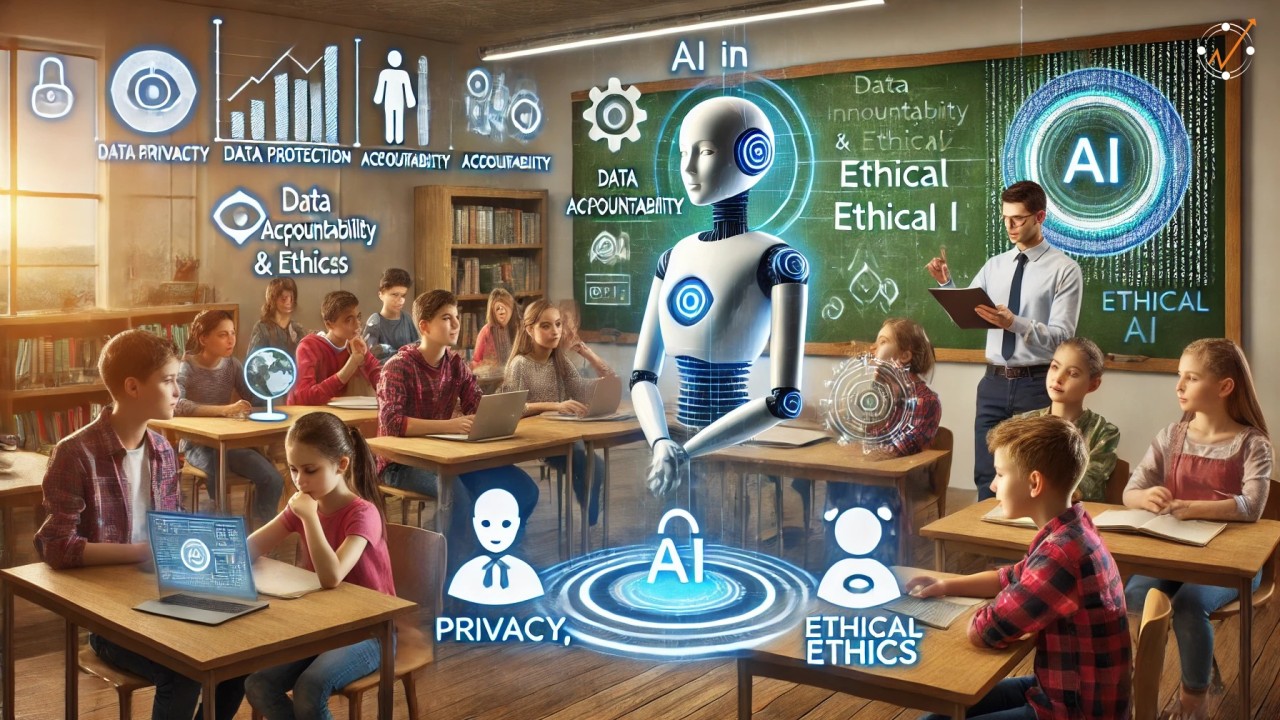
    Artificial intelligence has emerged as a transformative force across multiple sectors, and education is no exception. From personalized learning platforms to intelligent tutoring systems, AI technologies promise to revolutionize how students learn, teachers instruct, and institutions operate. Yet with these advancements come complex ethical questions. The integration of AI into education raises concerns about privacy, fairness, transparency, accountability, and the broader societal impact of automated decision-making. Understanding the ethics of AI in education is essential to ensure that technological innovation enhances learning while safeguarding human values and equity.

    The first ethical consideration in AI-driven education is privacy and data protection. AI systems rely on large datasets to function effectively. Student information, including academic performance, behavioral patterns, demographic details, and personal preferences, is collected and analyzed to deliver personalized experiences. While this data can improve learning outcomes, it also presents risks if improperly managed. Unauthorized access, data breaches, or misuse of sensitive information can compromise student safety and trust. Ethical AI deployment requires robust policies for data collection, storage, and sharing, ensuring that learners’ privacy is respected and protected.

    Closely linked to privacy is the question of informed consent. Students and parents must understand what data is being collected, how it will be used, and the potential implications of AI-based decision-making. Consent should not be a mere formality but an ongoing, transparent process. Learners should have the right to opt out of AI-driven programs, challenge decisions, and access information about how algorithms influence educational experiences. Ethical frameworks in education demand that students remain active participants in decisions that affect their learning journeys.

    Equity and fairness represent another critical ethical dimension. AI systems are only as unbiased as the data and design choices that underpin them. Historical and societal inequalities can be inadvertently embedded into algorithms, resulting in unfair outcomes. For instance, predictive systems may misinterpret student potential based on biased historical data, disadvantaging certain groups. Disparities in access to technology can further exacerbate inequality, creating a digital divide where some students benefit from AI-enhanced learning while others are left behind. Ethical AI in education requires deliberate attention to inclusivity, careful evaluation of algorithmic bias, and strategies to ensure equitable access for all learners.

    Transparency and explainability are equally important. Many AI models, especially complex neural networks, operate as “black boxes,” producing recommendations or decisions without clear explanations. In educational contexts, this opacity raises ethical concerns. Students, teachers, and parents must be able to understand how AI reaches conclusions, such as identifying learning gaps or suggesting interventions. Explainable AI supports accountability and trust, ensuring that automated systems supplement rather than obscure human judgment. Educators must be equipped to interpret AI outputs and make informed decisions based on both data and professional insight.

    Accountability is a fundamental ethical principle in AI deployment. When AI systems influence grades, learning pathways, or disciplinary actions, it is essential to define who is responsible for outcomes. Developers, institutions, and educators share responsibility for ensuring that AI systems operate fairly and effectively. Clear lines of accountability prevent the abdication of ethical responsibility and ensure that human oversight remains central to educational decisions. AI should assist educators rather than replace them, preserving the human judgment essential to nuanced teaching and guidance.

    Another ethical consideration is the potential for surveillance and behavioral monitoring. AI-driven educational platforms often track student activity, engagement, and even emotional states through sensors, cameras, or online behavior. While such monitoring can help identify learners needing support, it may also create intrusive environments that undermine autonomy, trust, and psychological safety. Ethical AI requires balancing the benefits of monitoring with respect for individual dignity, ensuring that surveillance does not become coercive or excessive.

    The integration of AI also raises concerns about the commodification of education. When AI systems are developed and deployed by private companies, financial motives may influence design choices, prioritizing efficiency or profitability over educational quality or student well-being. Ethical frameworks demand transparency regarding commercial interests and the alignment of AI tools with pedagogical goals rather than market-driven imperatives. Education should remain a public good guided by the holistic development of learners.

    Cultural sensitivity and contextual relevance constitute another ethical dimension. AI algorithms developed in one cultural or institutional context may not translate effectively to others. Educational systems vary widely in language, pedagogical philosophy, social norms, and student needs. Ethical AI deployment requires attention to local contexts, avoiding one-size-fits-all solutions that may marginalize learners or undermine cultural values. Developers and educators must collaborate to ensure AI systems respect diversity and respond to the specific needs of the communities they serve.

    The role of human interaction in learning is also ethically significant. Education is not merely the transmission of knowledge; it is a social and emotional process. AI can enhance efficiency, provide personalized feedback, and analyze learning patterns, but it cannot replicate the mentorship, empathy, and inspiration that human teachers provide. Ethical considerations require that AI supplements rather than replaces human interaction, preserving the relational dimensions of education. Technology should support human educators in cultivating critical thinking, creativity, and socio-emotional skills, not diminish these essential aspects of learning.

    Long-term societal impact is another critical concern. The widespread adoption of AI in education may influence societal norms, labor markets, and the values associated with learning. Overreliance on automated systems could reduce critical reflection, creative exploration, or ethical reasoning if students defer too heavily to algorithmic guidance. Education systems must cultivate awareness of the limits of AI, encouraging learners to engage critically with technology and to understand its influence on thought processes, decision-making, and societal structures.

    In addressing ethical challenges, regulatory and policy frameworks play a vital role. Governments, institutions, and professional bodies must establish standards for data protection, algorithmic fairness, transparency, and accountability. Ethical guidelines should be embedded in the design, implementation, and evaluation of AI systems. Policies must be adaptable, reflecting the rapid pace of technological innovation while ensuring that student rights, equity, and educational integrity are maintained.

    Professional development for educators is essential to ethical AI integration. Teachers must understand how AI systems operate, interpret outputs, and make informed pedagogical decisions. They should be able to identify bias, monitor unintended consequences, and guide students in navigating AI-driven learning experiences responsibly. Ethical literacy in AI becomes part of teacher preparation, ensuring that human judgment remains central to educational practice.

    Ethics also intersects with accessibility. AI has the potential to support learners with disabilities, providing personalized accommodations, assistive technologies, and adaptive learning pathways. However, ethical deployment requires careful attention to design, ensuring that systems genuinely enhance inclusion rather than inadvertently creating new barriers. Accessibility must be considered from the earliest stages of development, reflecting a commitment to equity and empowerment.

    Collaboration between stakeholders is fundamental to addressing ethical issues in AI education. Developers, educators, students, parents, policymakers, and ethicists must engage in dialogue, co-design, and ongoing evaluation. AI ethics cannot be reduced to technical adjustments alone; it requires a holistic understanding of human values, societal norms, and educational objectives. Participation from diverse perspectives ensures that AI tools serve broad educational goals rather than narrow interests.

    Ultimately, the ethics of AI in education is about balancing innovation with responsibility. AI has immense potential to enhance learning, increase efficiency, and support personalized education. At the same time, it poses risks to privacy, equity, transparency, and human agency. Ethical deployment requires deliberate attention to these challenges, embedding safeguards, human oversight, and critical reflection into every stage of AI integration.

    By approaching AI with an ethical mindset, educational institutions can harness technology to expand opportunity, deepen understanding, and foster skills essential for the modern world. Students benefit not only from personalized learning experiences but from environments that respect their dignity, protect their rights, and encourage critical engagement with technology. Education becomes both a space of innovation and a domain of ethical responsibility.

    As AI continues to evolve, so too must the ethical frameworks guiding its use. Ongoing research, dialogue, and policy development are necessary to anticipate challenges, assess outcomes, and ensure alignment with the values of fairness, transparency, inclusivity, and human flourishing. In the intersection of AI and education, ethics is not a constraint on progress but a compass guiding responsible, meaningful, and equitable innovation.

  • Learning Beyond Traditional Classrooms

    Education has historically been associated with structured environments, fixed schedules, and defined curricula. Classrooms, chalkboards, and lecture halls have long symbolized formal learning. While these traditional spaces remain vital, the contemporary landscape of education is rapidly expanding. The rise of technology, global connectivity, and evolving pedagogical philosophies has transformed how knowledge is acquired, shared, and applied. Learning beyond traditional classrooms is no longer an exception; it is increasingly central to equipping students with the skills, creativity, and adaptability required for a rapidly changing world.

    The concept of learning beyond the classroom extends in multiple directions. It encompasses formal initiatives such as online courses, experiential education, and project-based learning, as well as informal practices including self-directed study, community engagement, and digital collaboration. At its core, it challenges the notion that learning must occur within a specific physical space, following a predetermined sequence. Instead, education becomes dynamic, flexible, and responsive to the needs, interests, and contexts of individual learners.

    One significant driver of learning outside traditional classrooms is technology. Digital platforms, educational apps, and online resources allow students to access knowledge at any time and from any location. Massive Open Online Courses (MOOCs), virtual simulations, and interactive learning tools provide experiences that were once impossible within conventional classroom walls. A student in one part of the world can engage with lectures from leading universities, participate in international discussions, and collaborate on projects with peers across continents. Technology transforms learning into a borderless activity, extending opportunities for exposure, practice, and exploration.

    While access to information has expanded, effective learning requires more than passive consumption. Beyond traditional classrooms, students engage actively with knowledge, testing ideas, experimenting with applications, and solving real-world problems. Experiential learning is central to this approach. Internships, apprenticeships, field research, and community projects allow learners to apply theoretical concepts in practical contexts. By confronting authentic challenges, students develop critical thinking, problem-solving skills, and professional competence. Learning becomes tangible, meaningful, and memorable.

    Project-based learning represents another approach that transcends traditional classroom boundaries. Instead of following rigid lesson plans, students work collaboratively on extended projects addressing complex questions or societal issues. This method fosters creativity, collaboration, and interdisciplinary thinking. By integrating knowledge from multiple subjects, learners develop holistic understanding and cultivate skills relevant to modern workplaces. They learn to manage tasks, communicate effectively, and navigate uncertainty—capabilities often underemphasized in conventional classroom assessments.

    Informal learning is equally important. Curiosity-driven exploration, hobbies, and self-directed study contribute significantly to intellectual development. Reading widely, experimenting with coding, creating art, or conducting independent research nurtures initiative and autonomy. In environments beyond traditional classrooms, learners take ownership of their education, setting goals, seeking resources, and reflecting on outcomes. These experiences cultivate lifelong learning habits, which are essential in a world where knowledge evolves constantly.

    Globalization amplifies the value of learning beyond classrooms. Exposure to diverse perspectives, cultural practices, and international knowledge networks broadens intellectual horizons. Students interacting with peers from different backgrounds develop intercultural communication, empathy, and adaptability. Global projects and collaborative online platforms prepare learners for participation in interconnected economies and societies. Education becomes a bridge between local contexts and global opportunities.

    Experiential and non-traditional learning also promote the development of soft skills, which are increasingly valued in modern careers. Leadership, teamwork, emotional intelligence, and adaptability are cultivated most effectively through practice, not lecture. Activities such as volunteering, mentorship programs, or collaborative competitions immerse students in environments where these abilities are exercised. They provide contexts for decision-making, conflict resolution, and self-reflection, all critical components of personal and professional growth.

    Assessment and feedback in learning beyond traditional classrooms differ from conventional evaluation. Instead of relying solely on exams and rote memorization, evaluation emphasizes process, creativity, and application. Portfolios, project outcomes, peer review, and reflective journals capture the breadth and depth of student development. Feedback becomes continuous, constructive, and context-specific, guiding learners to refine their skills and deepen their understanding.

    Challenges accompany the expansion of learning outside traditional settings. Equity and access are central concerns. Not all students have equal access to technology, internet connectivity, or supportive learning environments. Without careful planning, alternative learning opportunities can exacerbate existing inequalities. Educational institutions and policymakers must design inclusive strategies, ensuring that all learners can benefit from flexible, innovative methods.

    Motivation and self-discipline also become more critical in less structured learning environments. Traditional classrooms provide schedules, supervision, and external accountability. Outside these frameworks, learners must cultivate intrinsic motivation, goal-setting habits, and self-management skills. Educators play a crucial role by scaffolding experiences, providing guidance, and fostering environments where curiosity and initiative are rewarded.

    The role of educators evolves in this landscape. Teachers transition from authoritative sources of knowledge to facilitators, mentors, and coaches. Their responsibility shifts from delivering content to designing learning experiences, curating resources, guiding inquiry, and encouraging reflection. This approach requires professional development, adaptability, and a deep understanding of diverse pedagogical tools. Teachers help students navigate complexity, connecting theoretical knowledge with practical application.

    Learning beyond traditional classrooms also encourages interdisciplinary and holistic thinking. Real-world problems rarely conform to discrete subject areas. Environmental challenges, technological innovation, public health, and social justice require integration across science, humanities, technology, and policy. By engaging students in projects that span multiple disciplines, educators foster critical analysis, systems thinking, and the ability to synthesize diverse perspectives. Learners develop the flexibility to approach challenges from multiple angles, a skill increasingly valued in dynamic professional environments.

    Digital literacy is a foundational competency in non-traditional learning. Beyond operating devices or using software, students must critically evaluate online information, navigate digital communities, and understand ethical implications of technology. Cybersecurity, data privacy, digital citizenship, and responsible content creation are essential components of modern education. Learning beyond the classroom offers the flexibility to integrate these skills through real-world applications, simulations, and collaborative projects.

    Global crises, such as pandemics or environmental emergencies, further highlight the importance of flexible learning modalities. When traditional classroom access is disrupted, online learning, hybrid models, and experiential alternatives ensure continuity. These experiences demonstrate the resilience and adaptability that non-traditional learning fosters. Students learn not only content but how to navigate uncertainty, self-regulate, and leverage diverse tools to achieve goals.

    Cultural and community engagement enriches learning outside classrooms. Participation in local initiatives, civic projects, and cultural programs provides context for theoretical knowledge. Learners understand the societal relevance of their education, cultivating social responsibility and ethical awareness. These experiences reinforce the notion that learning is not confined to acquiring information but involves applying knowledge to improve communities and society.

    Ultimately, learning beyond traditional classrooms reflects a philosophical shift in education. Knowledge acquisition is no longer an isolated goal; education emphasizes skill development, adaptability, critical engagement, and meaningful application. Students are encouraged to take responsibility for their learning journey, to explore curiosity-driven inquiry, and to integrate intellectual, social, and emotional growth. Education becomes a continuous, dynamic process rather than a confined phase of life.

    The expansion of learning beyond traditional classrooms equips students to navigate the complexities of contemporary society. They emerge as lifelong learners, capable of adapting to changing technological, social, and professional landscapes. They acquire not only knowledge but the capacity to apply it creatively, collaborate effectively, and reflect critically. This holistic approach ensures that education remains relevant, empowering individuals to thrive in an unpredictable and interconnected world.

  • How Globalization Influences Education

    How Globalization Influences Education

    Globalization has become one of the defining forces shaping contemporary societies. It influences economies, cultures, technologies, and patterns of human interaction across borders. Education, as a central institution of social development and knowledge transmission, has not remained untouched by these transformations. The interconnectedness of the modern world has altered what is taught, how learning occurs, and the purposes education is expected to serve. Understanding how globalization influences education requires examining not only technological and economic shifts but also deeper cultural and intellectual changes.

    At its most visible level, globalization expands the flow of information. Knowledge once confined to specific regions or institutions now travels instantly across digital networks. Students can access lectures, research, and educational resources produced anywhere in the world. This unprecedented availability reshapes expectations. Learning is no longer restricted by geography, and exposure to diverse perspectives becomes a routine feature of academic life. Educational boundaries that once separated local and global contexts grow increasingly porous.

    The circulation of knowledge, however, is not merely a technical phenomenon. It carries cultural implications. Education historically reflected national priorities, languages, and traditions. Globalization introduces a broader spectrum of ideas, values, and intellectual frameworks. Classrooms increasingly engage with international case studies, comparative analyses, and cross-cultural themes. Students encounter perspectives that challenge familiar assumptions, encouraging more expansive modes of thinking. The curriculum itself evolves as global awareness becomes integral to intellectual development.

    Language provides a particularly vivid example of globalization’s educational impact. Communication across borders elevates the importance of shared linguistic tools. Proficiency in widely used languages often becomes associated with academic mobility and professional opportunity. At the same time, this shift raises questions about cultural preservation and linguistic diversity. Educational systems must balance the practical advantages of global communication with the need to sustain local identities and traditions. The tension between integration and distinctiveness becomes an enduring feature of policy and pedagogy.

    Globalization also reshapes the economic context of education. Labor markets increasingly operate on international scales, and professional competition extends beyond national boundaries. Educational institutions respond by emphasizing skills perceived as globally relevant, such as critical thinking, technological fluency, and collaborative competence. The notion of employability becomes intertwined with global competitiveness. Students are encouraged to view learning not only as personal enrichment but as preparation for participation in dynamic, interconnected economies.

    This economic dimension influences institutional priorities. Universities and schools seek to align programs with emerging industries and transnational opportunities. Partnerships between educational organizations and global enterprises become more common. Curricula adapt to reflect technological developments and shifting professional landscapes. While such alignment can enhance relevance, it also prompts reflection on education’s broader purposes. Balancing market responsiveness with intellectual, ethical, and civic development remains a central challenge.

    Technological advancement, closely linked to globalization, transforms educational delivery. Digital platforms enable remote instruction, virtual collaboration, and access to global learning communities. Physical classrooms coexist with online environments that connect learners across continents. Educational experiences become increasingly hybrid, blending local engagement with global interaction. This transformation expands opportunity but also exposes disparities in infrastructure, connectivity, and digital literacy. The promise of global access highlights persistent inequalities.

    Cultural exchange represents another profound influence. Students and educators encounter ideas, traditions, and worldviews beyond their immediate environments. Exposure to diversity can foster empathy, curiosity, and intellectual openness. It can also generate friction when values, norms, or expectations diverge. Education becomes a site where global and local cultures interact, sometimes harmoniously and sometimes contentiously. Navigating these dynamics requires sensitivity, reflection, and an appreciation for pluralism.

    The concept of citizenship itself evolves within this context. Traditional education often emphasized national identity and civic responsibility within defined political boundaries. Globalization introduces the notion of global citizenship, encouraging awareness of shared challenges such as environmental sustainability, technological ethics, and social equity. Educational frameworks increasingly incorporate themes that transcend national concerns, inviting students to consider their roles within broader human communities. This expansion enriches perspective while raising questions about identity and belonging.

    Academic mobility further illustrates globalization’s reach. Students pursue opportunities across borders, institutions attract international cohorts, and collaborative research networks span regions. Such mobility fosters intellectual exchange and cross-cultural understanding. It also intensifies competition among institutions seeking global recognition. Rankings, reputation, and international visibility influence strategic decisions. The pursuit of global standing shapes investments, priorities, and organizational identity.

    Despite these opportunities, globalization introduces complexities. Standardization of educational models, driven by international benchmarks or policy convergence, can streamline comparability but may overlook contextual diversity. Practices effective in one setting may not translate seamlessly to another. Educational systems differ in cultural assumptions, social structures, and historical trajectories. Preserving local relevance while engaging with global frameworks requires nuanced approaches that resist simplistic uniformity.

    Equity remains a critical concern. Globalization can expand access to knowledge and opportunity, yet benefits are unevenly distributed. Economic disparities, technological gaps, and structural inequalities influence who participates fully in global educational networks. Institutions and policymakers confront the challenge of ensuring that globalization enhances rather than exacerbates social divides. Inclusive strategies, infrastructure development, and thoughtful resource allocation become essential.

    Globalization also transforms pedagogical philosophy. Knowledge is no longer perceived solely as static content to be transmitted but as dynamic, evolving, and collaborative. Students must learn to navigate information abundance, evaluate credibility, and synthesize diverse inputs. Educators shift from authoritative sources toward facilitators of inquiry and critical engagement. Learning emphasizes adaptability, reflection, and interdisciplinary thinking—capabilities aligned with fluid global environments.

    Interdisciplinary education gains renewed importance. Global challenges rarely conform to single disciplines. Climate change, technological governance, public health, and economic development intersect across scientific, social, and ethical dimensions. Educational structures that encourage cross-disciplinary exploration better reflect the complexity of contemporary problems. Students develop integrative thinking, preparing them for contexts where knowledge boundaries blur.

    Ethical reasoning becomes increasingly central as global interconnectedness magnifies consequences. Decisions made in one region can influence communities elsewhere. Technological innovations carry transnational implications. Students must grapple with questions of responsibility, fairness, and sustainability within global contexts. Education, therefore, must cultivate not only technical competence but ethical awareness and reflective judgment.

    Importantly, globalization does not simply impose external pressures; it also invites reinterpretation of educational identity. Institutions articulate missions that integrate global engagement with local commitment. Educators design experiences that connect universal themes with contextual relevance. Students navigate multiple affiliations, drawing upon diverse cultural and intellectual resources. Education becomes a dynamic dialogue rather than a fixed transmission.

    The influence of globalization on education is neither uniformly beneficial nor inherently detrimental. It represents a complex interplay of opportunity, challenge, integration, and differentiation. It expands horizons while demanding adaptability. It fosters exchange while revealing disparities. It encourages innovation while prompting reflection on enduring values

  • The Evolution of Skills in the Digital Era

    The Evolution of Skills in the Digital Era

    The Evolution of Skills in the Digital Era

    The story of human progress is deeply intertwined with the story of skills. Every transformative period in history has demanded new abilities, reshaped existing competencies, and altered the ways individuals contribute to society. The digital era represents one of the most significant of these transitions. It is not merely a technological shift but a profound reconfiguration of how knowledge is created, shared, and applied. As digital systems permeate nearly every aspect of life, the definition of valuable skills continues to evolve in ways that challenge traditional assumptions about education, work, and expertise.

    Earlier economic systems emphasized stability and repetition. Skills were often tied to specific trades, professions, or industrial functions. Mastery implied deep specialization within a relatively fixed environment. Technological change occurred, but at a pace that allowed institutions, industries, and individuals to adapt gradually. The digital age, by contrast, is characterized by acceleration. Tools, platforms, and entire sectors transform with remarkable speed, creating a landscape where adaptability becomes as essential as technical competence.

    One of the most visible changes involves the relationship between information and expertise. Access to knowledge has expanded dramatically. Digital networks allow individuals to retrieve vast quantities of information almost instantly. This abundance alters the meaning of skill itself. Memorization and recall, once central to educational success, are no longer sufficient indicators of capability. The modern challenge lies in interpretation, evaluation, and synthesis. Individuals must navigate complexity, distinguish credibility from noise, and transform raw data into meaningful insight.

    Digital literacy emerges as a foundational requirement within this context. Yet digital literacy extends beyond the ability to operate devices or navigate software interfaces. It encompasses an understanding of how digital systems shape communication, decision-making, and social interaction. Competence includes recognizing the implications of algorithms, appreciating issues of privacy and security, and engaging responsibly within interconnected environments. As digital infrastructures increasingly mediate human experience, this literacy becomes inseparable from broader intellectual and civic participation.

    The evolution of skills is also evident in the growing importance of cognitive flexibility. Traditional career paths often assumed continuity. Education prepared individuals for defined roles with predictable trajectories. In the digital economy, however, professional identities are more fluid. Emerging technologies reshape tasks, automate routines, and create new specializations. Individuals must therefore cultivate the capacity to learn continuously, adapting to shifting tools and expectations. The ability to acquire new competencies becomes more valuable than the static possession of any single skillset.

    This shift places renewed emphasis on learning how to learn. Metacognitive abilities—awareness of one’s own thinking processes, strategies for acquiring knowledge, and habits of reflection—gain strategic importance. Lifelong learning is no longer an aspirational concept but a practical necessity. The most resilient professionals are those who approach change not as disruption but as an ongoing feature of their intellectual and professional lives.

    Creativity occupies an increasingly central role within the digital era. Automation excels at executing structured, repetitive processes. Human contribution, in contrast, is distinguished by imagination, conceptual reasoning, and inventive problem solving. Creativity is not confined to artistic domains; it underpins innovation across technology, science, entrepreneurship, and design. The capacity to generate novel ideas, reframe challenges, and explore unconventional solutions becomes a defining advantage in environments shaped by rapid transformation.

    Closely connected to creativity is the skill of complex problem solving. Digital systems generate unprecedented opportunities alongside intricate challenges. Global connectivity, data-driven decision-making, and technological integration produce problems that rarely yield to simple procedures. Addressing such complexity requires analytical reasoning, systems thinking, and interdisciplinary awareness. Individuals must understand not only isolated variables but the relationships among them, recognizing how technological, social, and ethical dimensions intersect.

    Communication skills, long valued in professional contexts, acquire new depth and urgency. Digital technologies expand channels of interaction while simultaneously introducing new forms of fragmentation. Virtual collaboration, remote work, and distributed teams redefine how individuals coordinate efforts and exchange ideas. Effective communication now involves clarity across mediums, cultural sensitivity, and the ability to convey meaning in environments where physical presence is often absent. Precision of language, thoughtful listening, and constructive dialogue remain indispensable despite technological mediation.

    The digital era also amplifies the significance of collaboration. Knowledge creation and innovation increasingly occur within networks rather than isolated silos. Interdisciplinary projects, cross-functional teams, and global partnerships characterize modern professional activity. Collaborative competence includes not only technical coordination but interpersonal awareness, empathy, and the capacity to navigate diverse perspectives. The most effective contributors are those who integrate expertise while fostering shared understanding.

    Another defining feature of the digital transformation is the blending of technical and human-centered skills. Early narratives about technological progress sometimes implied a stark divide between technical proficiency and broader intellectual abilities. Contemporary realities reveal a more nuanced picture. Technical fluency remains important, yet its effectiveness depends on contextual understanding. Data analysis, for instance, requires statistical reasoning alongside ethical judgment. Software development benefits from design thinking and user empathy. Technological capability is most powerful when integrated with human insight.

    Ethical reasoning thus becomes a critical dimension of modern skill development. Digital technologies influence privacy, equity, access, and social dynamics. Decisions made by designers, engineers, policymakers, and organizations carry far-reaching consequences. Individuals operating within digital ecosystems must possess the capacity to evaluate implications, balance competing values, and act responsibly. Ethical awareness is not an optional supplement but an intrinsic component of professional competence.

    Adaptability, often cited as a hallmark of future-ready individuals, reflects both cognitive and emotional dimensions. Navigating uncertainty requires resilience, curiosity, and openness to change. Emotional intelligence—the ability to understand one’s own responses, interpret social dynamics, and sustain motivation—supports effective adaptation. As professional environments evolve, individuals encounter unfamiliar tools, roles, and expectations. Those who embrace continuous development are better positioned to thrive amid transition.

    Educational systems face the challenge of responding to these evolving demands. Traditional curricula and assessment models were frequently designed for stability and standardization. Preparing learners for the digital era requires more flexible approaches that emphasize inquiry, exploration, and transferable capabilities. Project-based learning, experiential engagement, and interdisciplinary study reflect efforts to align education with contemporary realities. The objective shifts from transmitting static knowledge toward cultivating intellectual agility.

    Assessment practices likewise require reconsideration. Measuring learning through narrow metrics may obscure the development of critical competencies such as creativity, collaboration, and complex reasoning. Alternative evaluation frameworks seek to capture deeper dimensions of understanding, emphasizing application, reflection, and synthesis. Such approaches recognize that meaningful skill development often resists simplistic quantification.

    The evolution of skills also reshapes the concept of expertise. Authority is no longer defined solely by access to information but by the ability to interpret and apply knowledge effectively. Continuous learning, cross-disciplinary awareness, and contextual intelligence redefine professional credibility. Expertise becomes dynamic rather than fixed, reflecting ongoing engagement with emerging ideas and technologies.

    Importantly, the digital era does not diminish the value of humanistic skills; it elevates them. Critical thinking, ethical judgment, creativity, and empathy remain central to meaningful contribution. Technology expands capabilities but does not replace the need for interpretation, imagination, and responsible decision-making. The most enduring skills are those that enable individuals to navigate complexity, collaborate constructively, and generate insight across changing contexts.

    The transformation of skills is therefore not solely a technical phenomenon but a cultural and intellectual one. It reflects changing relationships between humans and information, between stability and innovation, between specialization and adaptability. Understanding this evolution encourages a broader view of learning as a lifelong endeavor rather than a discrete phase.


    The story of human progress is deeply intertwined with the story of skills. Every transformative period in history has demanded new abilities, reshaped existing competencies, and altered the ways individuals contribute to society. The digital era represents one of the most significant of these transitions. It is not merely a technological shift but a profound reconfiguration of how knowledge is created, shared, and applied. As digital systems permeate nearly every aspect of life, the definition of valuable skills continues to evolve in ways that challenge traditional assumptions about education, work, and expertise.

    Earlier economic systems emphasized stability and repetition. Skills were often tied to specific trades, professions, or industrial functions. Mastery implied deep specialization within a relatively fixed environment. Technological change occurred, but at a pace that allowed institutions, industries, and individuals to adapt gradually. The digital age, by contrast, is characterized by acceleration. Tools, platforms, and entire sectors transform with remarkable speed, creating a landscape where adaptability becomes as essential as technical competence.

    One of the most visible changes involves the relationship between information and expertise. Access to knowledge has expanded dramatically. Digital networks allow individuals to retrieve vast quantities of information almost instantly. This abundance alters the meaning of skill itself. Memorization and recall, once central to educational success, are no longer sufficient indicators of capability. The modern challenge lies in interpretation, evaluation, and synthesis. Individuals must navigate complexity, distinguish credibility from noise, and transform raw data into meaningful insight.

    Digital literacy emerges as a foundational requirement within this context. Yet digital literacy extends beyond the ability to operate devices or navigate software interfaces. It encompasses an understanding of how digital systems shape communication, decision-making, and social interaction. Competence includes recognizing the implications of algorithms, appreciating issues of privacy and security, and engaging responsibly within interconnected environments. As digital infrastructures increasingly mediate human experience, this literacy becomes inseparable from broader intellectual and civic participation.

    The evolution of skills is also evident in the growing importance of cognitive flexibility. Traditional career paths often assumed continuity. Education prepared individuals for defined roles with predictable trajectories. In the digital economy, however, professional identities are more fluid. Emerging technologies reshape tasks, automate routines, and create new specializations. Individuals must therefore cultivate the capacity to learn continuously, adapting to shifting tools and expectations. The ability to acquire new competencies becomes more valuable than the static possession of any single skillset.

    This shift places renewed emphasis on learning how to learn. Metacognitive abilities—awareness of one’s own thinking processes, strategies for acquiring knowledge, and habits of reflection—gain strategic importance. Lifelong learning is no longer an aspirational concept but a practical necessity. The most resilient professionals are those who approach change not as disruption but as an ongoing feature of their intellectual and professional lives.

    Creativity occupies an increasingly central role within the digital era. Automation excels at executing structured, repetitive processes. Human contribution, in contrast, is distinguished by imagination, conceptual reasoning, and inventive problem solving. Creativity is not confined to artistic domains; it underpins innovation across technology, science, entrepreneurship, and design. The capacity to generate novel ideas, reframe challenges, and explore unconventional solutions becomes a defining advantage in environments shaped by rapid transformation.

    Closely connected to creativity is the skill of complex problem solving. Digital systems generate unprecedented opportunities alongside intricate challenges. Global connectivity, data-driven decision-making, and technological integration produce problems that rarely yield to simple procedures. Addressing such complexity requires analytical reasoning, systems thinking, and interdisciplinary awareness. Individuals must understand not only isolated variables but the relationships among them, recognizing how technological, social, and ethical dimensions intersect.

    Communication skills, long valued in professional contexts, acquire new depth and urgency. Digital technologies expand channels of interaction while simultaneously introducing new forms of fragmentation. Virtual collaboration, remote work, and distributed teams redefine how individuals coordinate efforts and exchange ideas. Effective communication now involves clarity across mediums, cultural sensitivity, and the ability to convey meaning in environments where physical presence is often absent. Precision of language, thoughtful listening, and constructive dialogue remain indispensable despite technological mediation.

    The digital era also amplifies the significance of collaboration. Knowledge creation and innovation increasingly occur within networks rather than isolated silos. Interdisciplinary projects, cross-functional teams, and global partnerships characterize modern professional activity. Collaborative competence includes not only technical coordination but interpersonal awareness, empathy, and the capacity to navigate diverse perspectives. The most effective contributors are those who integrate expertise while fostering shared understanding.

    Another defining feature of the digital transformation is the blending of technical and human-centered skills. Early narratives about technological progress sometimes implied a stark divide between technical proficiency and broader intellectual abilities. Contemporary realities reveal a more nuanced picture. Technical fluency remains important, yet its effectiveness depends on contextual understanding. Data analysis, for instance, requires statistical reasoning alongside ethical judgment. Software development benefits from design thinking and user empathy. Technological capability is most powerful when integrated with human insight.

    Ethical reasoning thus becomes a critical dimension of modern skill development. Digital technologies influence privacy, equity, access, and social dynamics. Decisions made by designers, engineers, policymakers, and organizations carry far-reaching consequences. Individuals operating within digital ecosystems must possess the capacity to evaluate implications, balance competing values, and act responsibly. Ethical awareness is not an optional supplement but an intrinsic component of professional competence.

    Adaptability, often cited as a hallmark of future-ready individuals, reflects both cognitive and emotional dimensions. Navigating uncertainty requires resilience, curiosity, and openness to change. Emotional intelligence—the ability to understand one’s own responses, interpret social dynamics, and sustain motivation—supports effective adaptation. As professional environments evolve, individuals encounter unfamiliar tools, roles, and expectations. Those who embrace continuous development are better positioned to thrive amid transition.

    Educational systems face the challenge of responding to these evolving demands. Traditional curricula and assessment models were frequently designed for stability and standardization. Preparing learners for the digital era requires more flexible approaches that emphasize inquiry, exploration, and transferable capabilities. Project-based learning, experiential engagement, and interdisciplinary study reflect efforts to align education with contemporary realities. The objective shifts from transmitting static knowledge toward cultivating intellectual agility.

    Assessment practices likewise require reconsideration. Measuring learning through narrow metrics may obscure the development of critical competencies such as creativity, collaboration, and complex reasoning. Alternative evaluation frameworks seek to capture deeper dimensions of understanding, emphasizing application, reflection, and synthesis. Such approaches recognize that meaningful skill development often resists simplistic quantification.

    The evolution of skills also reshapes the concept of expertise. Authority is no longer defined solely by access to information but by the ability to interpret and apply knowledge effectively. Continuous learning, cross-disciplinary awareness, and contextual intelligence redefine professional credibility. Expertise becomes dynamic rather than fixed, reflecting ongoing engagement with emerging ideas and technologies.

    Importantly, the digital era does not diminish the value of humanistic skills; it elevates them. Critical thinking, ethical judgment, creativity, and empathy remain central to meaningful contribution. Technology expands capabilities but does not replace the need for interpretation, imagination, and responsible decision-making. The most enduring skills are those that enable individuals to navigate complexity, collaborate constructively, and generate insight across changing contexts.

    The transformation of skills is therefore not solely a technical phenomenon but a cultural and intellectual one. It reflects changing relationships between humans and information, between stability and innovation, between specialization and adaptability. Understanding this evolution encourages a broader view of learning as a lifelong endeavor rather than a discrete phase.